Ferrara is renowned for its medieval beauty, its ghetto – the setting for the novel The Garden of the Finzi-Continis – and its unmissable Museum of Italian Judaism and the Shoah (MEIS). We meet Rachel Silvera, the museum’s Head of Communications…
Jguideeurope: Will you participate in the EDJC and, if so, which events will be organized?
Rachel Silvera: As every year, MEIS cannot miss this occasion dedicated to Jewish Culture throughout Europe. The Museum will be open and free to all visitors, and a special guided tour will be organized. We will also host the final evening of ARENAMEIS, the open-air cinema event held in the museum garden every summer. We will premiere “Outsider. Freud” by Yair Qedar, a wonderful documentary that tells the story of Sigmund Freud, the revolutionary impact of his studies and discoveries, and the complex relationship he had throughout his life with his Jewish identity. Introducing the film to the audience will be the psychoanalyst David Meghnagi, one of Italy’s leading experts on the relationship between psychoanalysis and Judaism.
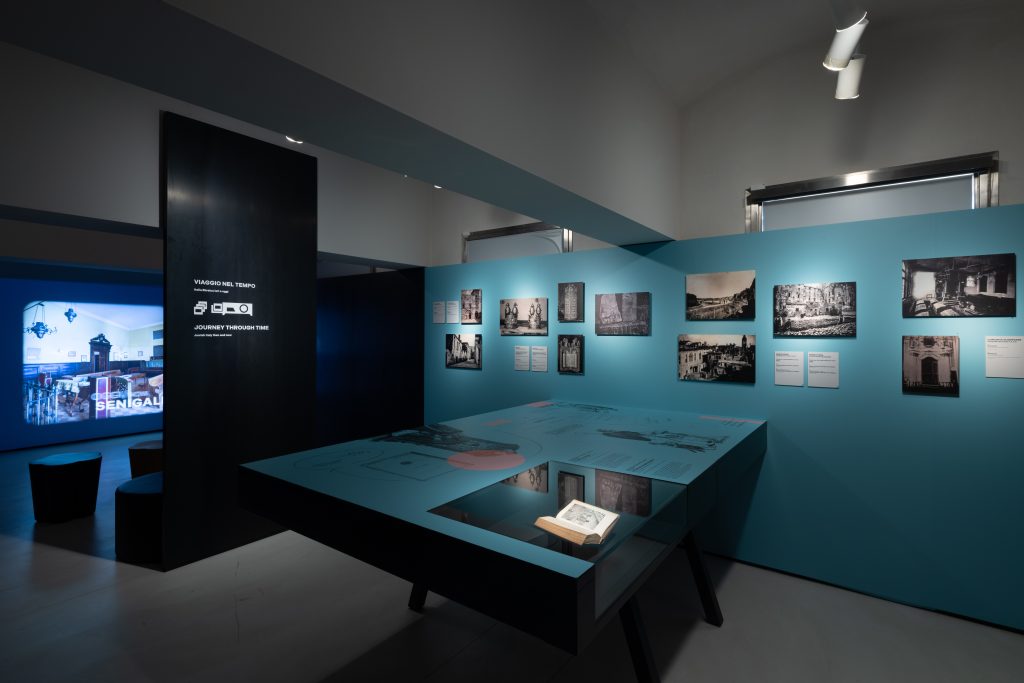
Can you share some moments about the exhibition “An Italian Journey”?
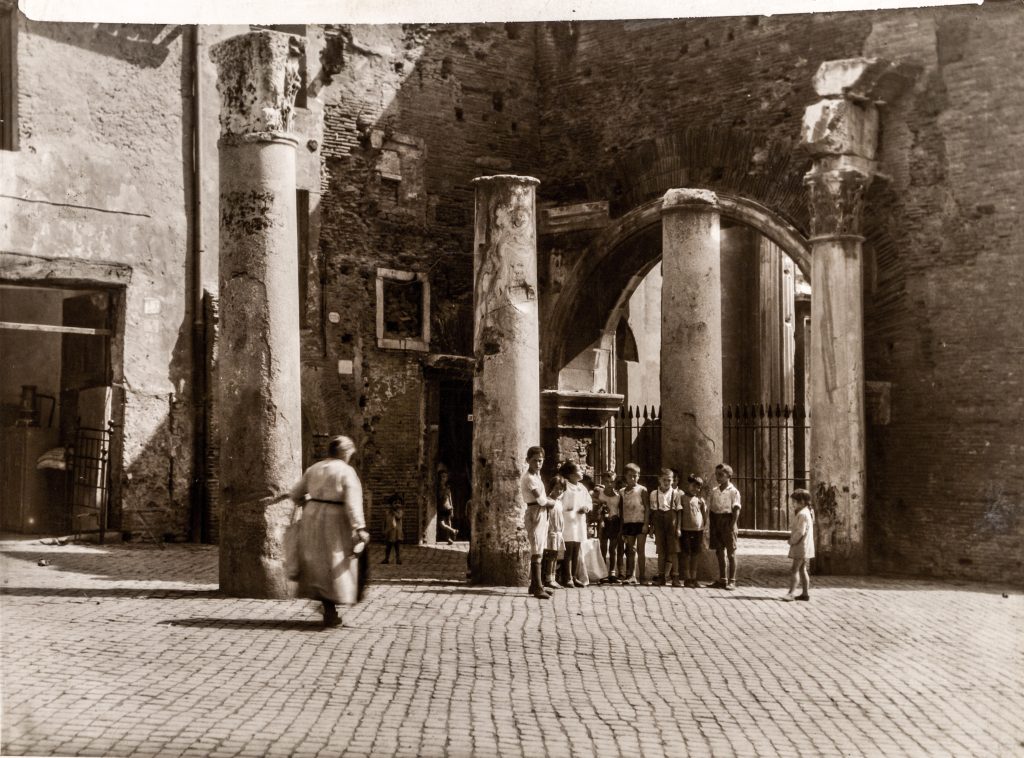
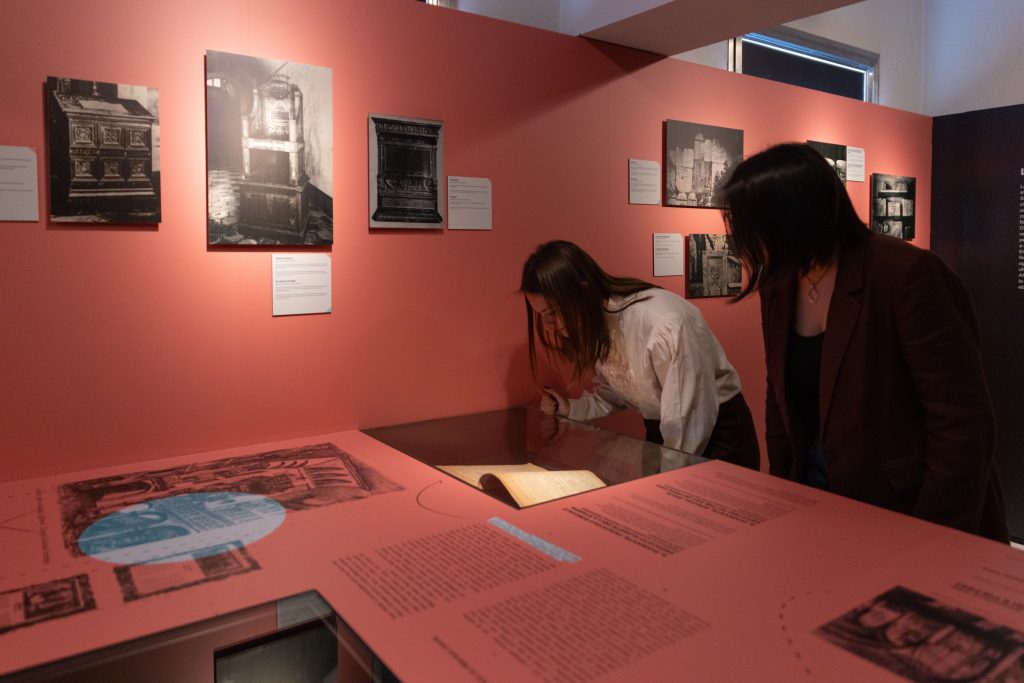
The exhibition “An Italian Journey” is curated by Sharon Reichel and Valeria Rainoldi and will close on June 14. The exhibition began from two photographic collections, both of great cultural and historical significance: the Hungarian Ernő Munkácsi collection, containing images of Jewish Italy taken and collected between 1927 and 1940, and the photographic and documentary archive of F.A.C.E. – Federation of Jewish Cultural Associations, created by the Federation during the 1920s and 1930s. “An Italian Journey” uses photographs, documents, and correspondence to rethink Italian Jewish heritage as an integral part of the nation’s history and of its civic, symbolic, and urban landscapes.
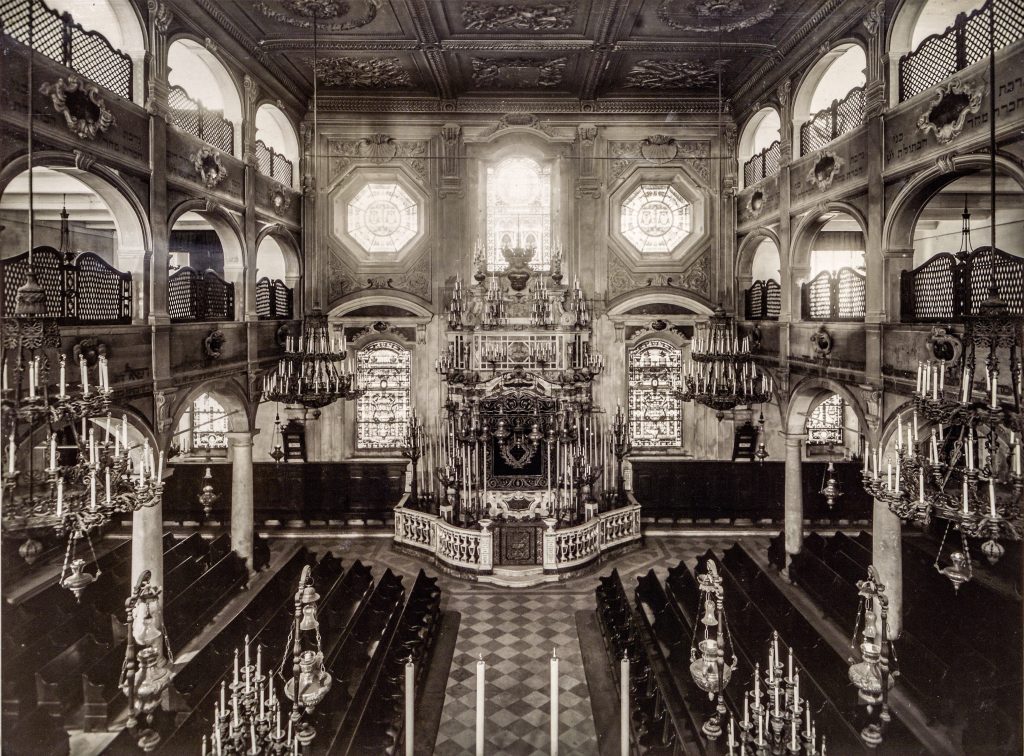
As the curators explain: “Why have an exhibition? These photographs are far more than visual representations: they are veritable records. They preserve unique information about places, contexts, and objects that in many cases no longer exist or have undergone profound changes. The images bring back to life a past that may not have reached us, but which informs what now surrounds us, inviting us to read the present in the light of a deep and layered history. Some of the buildings in the photographs, such as the synagogues of Turin and Livorno, were damaged or destroyed during the bombings of World War II. Others, such as the synagogues of Padua and Ferrara, were stripped and desecrated. There are also images of furnishings moved to Israel after long periods of neglect. The exhibition aims to provide an opportunity for knowledge and rediscovery: Jewish cultural heritage belongs to everyone, and by bringing it back into the light we not only restore a voice to a minority but also acknowledge the key role it played in shaping a shared Italian identity, while returning its beauty to the public eye.”
“An Italian Journey / Viaggio in Italia” was organized in collaboration with the Foundation for Jewish Cultural Heritage in Italy and the Hungarian Jewish Museum and Archives. Participating institutions include the Ministry of Culture, the Emilia-Romagna Region, the Municipality of Ferrara, and the Union of Italian Jewish Communities. The supporting institution is Intesa Sanpaolo. The exhibition is held under the patronage of the Municipality of Ferrara and the Hungarian Embassy in Italy, with the support of Tper and Avis Provinciale and Comunale Ferrara.
To learn more, don’t miss the English presentation available on our YouTube channel: An Italian Journey
Which exhibition will be displayed next?
The next exhibition will open on October 23, and will be titled “Shabbat Shalom!”. Curated by MEIS Director Amedeo Spagnoletto, the exhibition will explore the day of Shabbat: a day of rest, study, and an opportunity to gather with family and share rituals and traditions. Visitors will be guided through the different phases of Shabbat, from the preparations (Kabbalat Shabbat) to traditional recipes, and the permissions and prohibitions observed during the holy day. It will be an interactive and dynamic exhibition designed for students, families, and anyone wishing to discover one of Judaism’s most important celebrations.
In such complicated times, do you think the school programs at the museum help fight the sharp rise of antisemitism in Europe since 2023?
The period we are living through is certainly complex, but this is precisely the moment when the museum’s mission and its educational programs become essential. Over the past year, we have strengthened our activities with schools, never avoiding students’ questions, and we have sought the support of historians, educators, and legal experts to explore different perspectives in greater depth. In such a delicate moment, it is fundamental to offer in-depth educational paths that go beyond a single museum visit and provide teachers with tools they can use throughout the entire school year. Knowledge is the only way to defeat hatred.