Here’s an interview with Tomas Baum, director of the Kazerne Dossin Museum, who talks to us about the completion of the wonderful ‘Every Name Matters’ project, as well as recent and upcoming exhibitions at the museum.
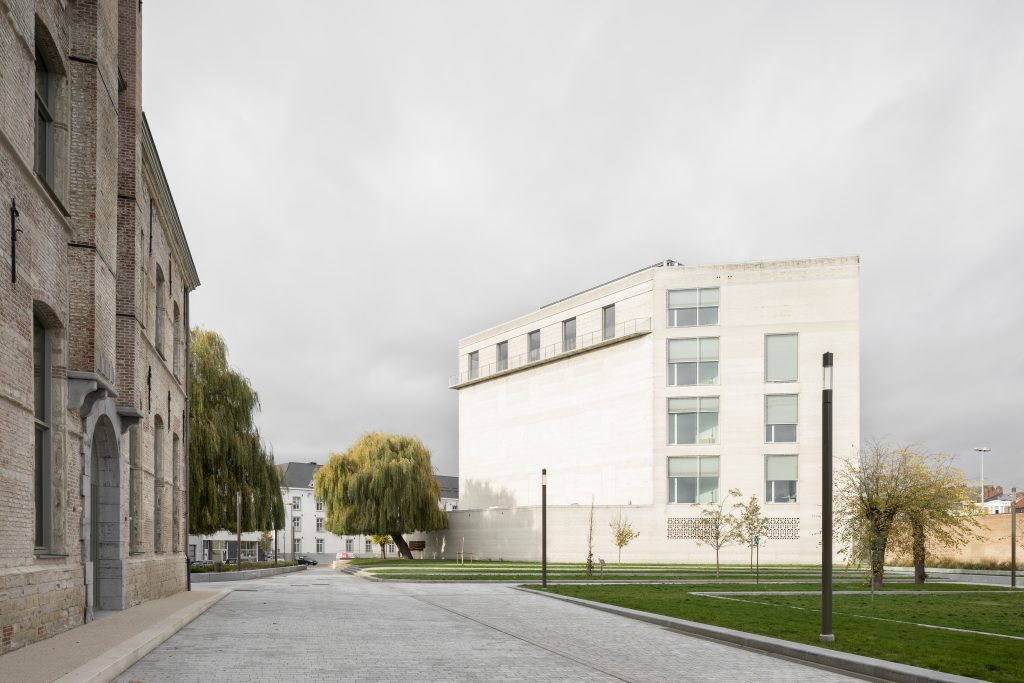
Jguideeurope: How is your “Every Name Matters” project progressing?
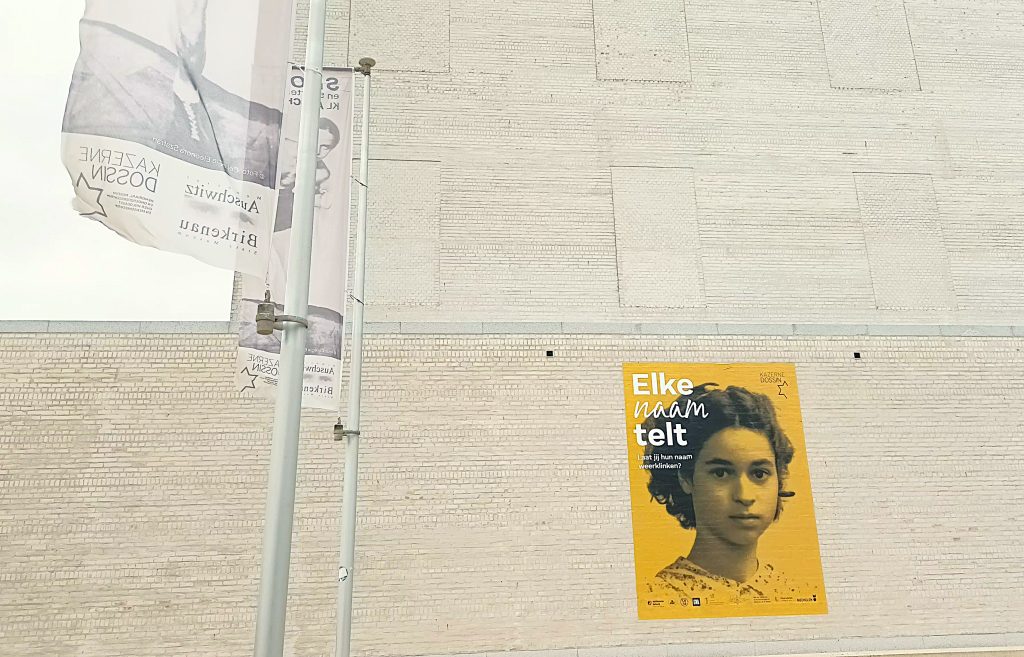
Tomas Baum: After just over two and a half years of recording, the final name was recorded at the end of June 2026. As a result, the 25,843 Jews, Roma and Sinti deported from the Dossin Barracks during the Second World War have had their names restored. All the recordings will be carefully processed in the coming period and will soon be audible at the memorial in the form of a sound installation. Through “Every Name Counts”, thousands of people have achieved what a museum cannot do alone: recording 25,843 names, each individually, each with the voice of someone who chose to take part. Together, they have formed a community. We are grateful to them.
What will be the next exhibition at the Museum?
To mark the conclusion of our “Every Name Matters” project, a temporary photographic exhibition will open in the autumn, in collaboration with the Belgian photographer Lieve Blancquaert. The exhibition will feature historical archive images as well as contemporary portraits of a selection of project participants. Following this exhibition, we will be focusing intensively, over the coming years, on revamping our permanent exhibition. This is a major project that is expected to be completed by 2030.
Have you received any interesting new objects or documents this year?
Last year, we received some valuable historical objects and documents. A signed photograph of the footballer Sam Meljado was donated to us by his granddaughter, to coincide with our temporary exhibition *Sport and Athletes at KL Auschwitz*. Meljado was deported on Transport XV to Auschwitz-Birkenau, where he was murdered in 1943. We also received a magnificent spice box (Besamim) and its matching dish, from the home of an unknown Jewish family who had fled Brussels. An official from the Ministry of Economic Affairs found these items and took them into safekeeping. His daughter subsequently donated these items to Kazerne Dossin. These are just a few examples of the many documents and objects we have received. Each item is carefully catalogued, preserved and made accessible in our archives.
Do you think there is a desire for ‘tikkun olam’ in the sharing of Jewish heritage following these last three difficult years?
Passing on these values, this history and this culture is seen as a tangible contribution to social cohesion. The aim is to heal social divisions, promote empathy and provide ethical guidelines for building a fairer, more united and more humane future for all.