Denmark, a country that symbolises courage and determination, hosts numerous events celebrating its Jewish cultural heritage. This is a wonderful challenge in these difficult times, as Janus Møller Jensen of the Danish Jewish Museum explains; this year, the museum is paying tribute to the remarkable work of the architect Daniel Libeskind…
Jguideeurope: Are you participating in the EDJC? If so, which events will be organized in Copenhagen?
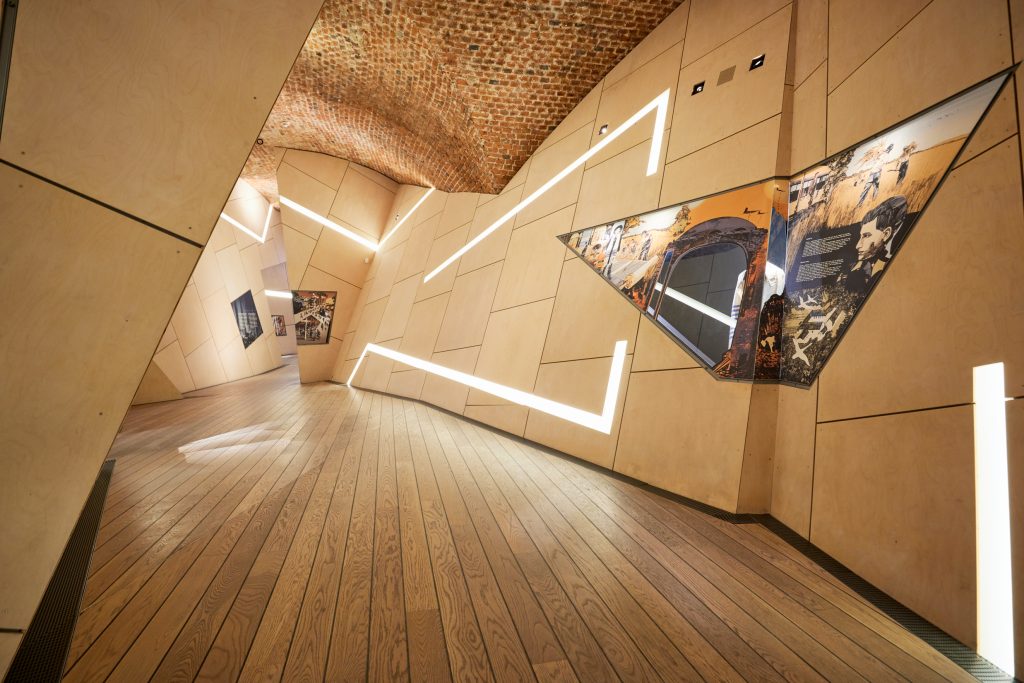
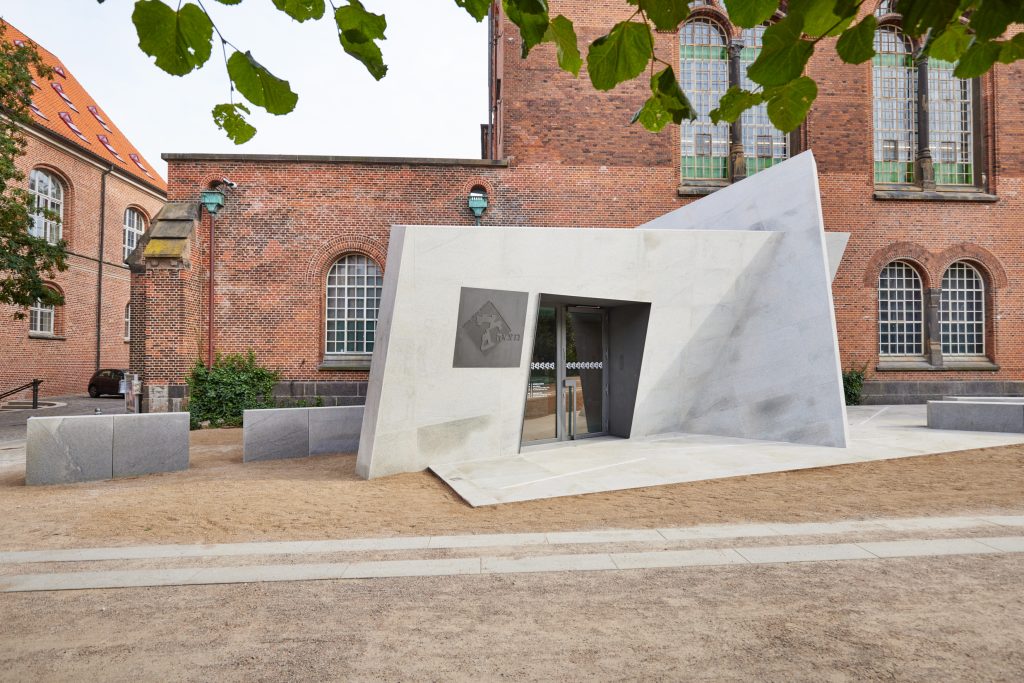
Janus Møller Jensen: The unique and very emotional architecture of the Danish Jewish Museum designed by the world-famous architect Daniel Libeskind, is a pearl placed in the heart of Copenhagen. Perhaps it would go too far to say that it the jewel in the crown of Denmark, but nevertheless a gem in wonderful garden of the Royal Library in the middle of Copenhagen’s Cultural District. It is also a light in the history of European Jewry and Danish history. The architectural design takes its form and idea from the story of the rescue of the Danish Jews during the Holocaust, which to Libeskind represented a light in the darkness. The Danish population in general helped and assisted the Danish Jews during their escape to Sweden. Libeskind considered this a mitzvah – a good deed – and integrated the four Hebrew letters of the word into the design of the museum as well as in the museum’s logo.
This year Libeskind turned 80. To honour this, we are celebrating both Libeskind and his designs as well as focusing on the history of remembrance of October 1943 in both Denmark and abroad with a special exhibition in the autumn opening 1 October 2026. During the year there are daily tours of the museum introducing both Danish Jewish history and Libeskind’s architecture that is also introduced in the museum with a permanent audio installation. On the Culture Night in Copenhagen 9 October, a light installation at the museum will place further focus on the architectural design.
Are you organizing other cultural events in autumn (conferences, exhibitions…)?
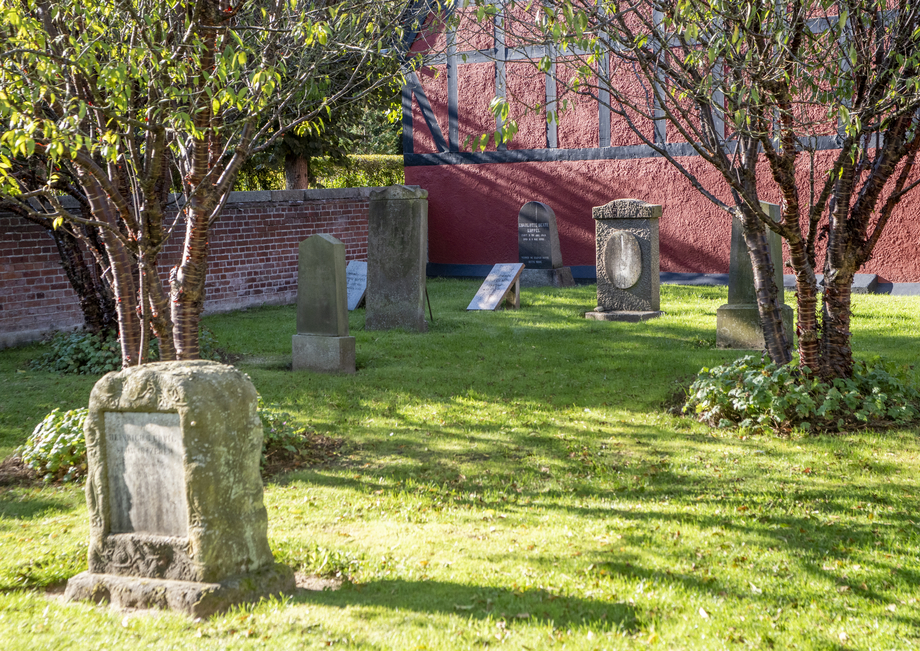
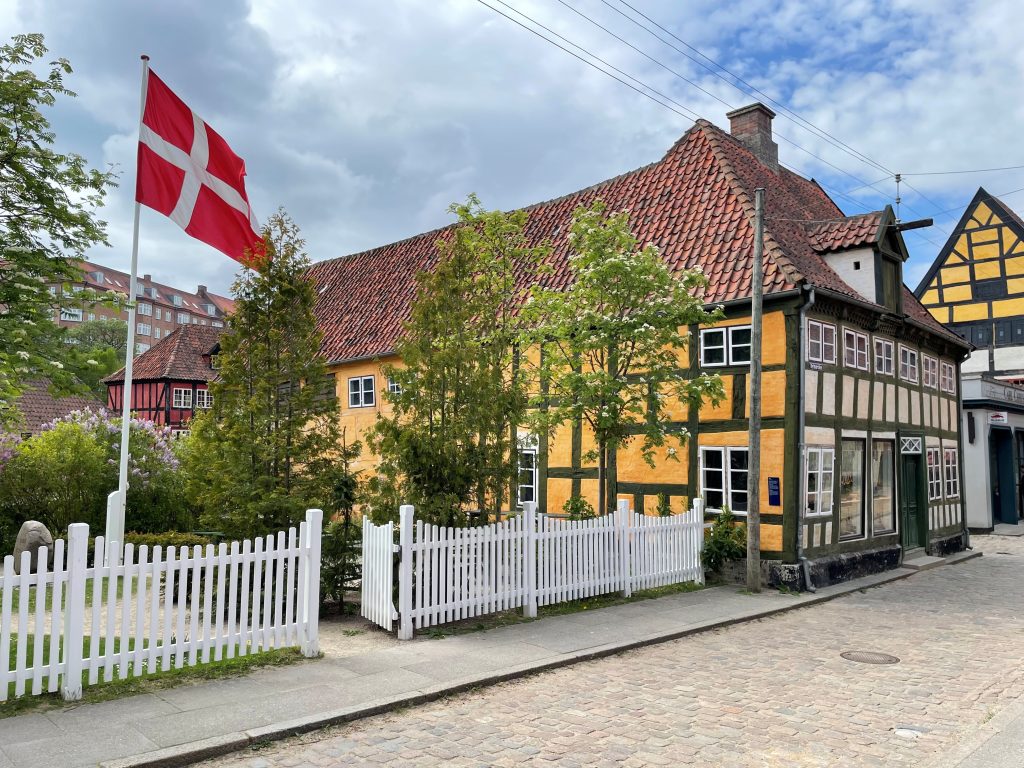
The Danish Jewish Museum has been elevated to a museum of national importance. We are pursuing a strategy of being visible and relevant throughout the country. These years we are focusing on Jewish life outside of Copenhagen. From the coming of Jews to Denmark in the seventeenth century invited by the king, Jews settled in almost every major provincial city. There are ten preserved burial grounds in the cities of Nakskov, Slagelse, Odense, Faaborg, Assens, Fredericia, Horsens, Randers, Aarhus, and Aalborg. Almost half of the Jewish population lived outside of Copenhagen until the middle of the nineteenth century. In the highly influential and important open-air museum, The Old City in Aarhus (that has just won the prize as the best European museum in 2026), a Jewish shop and home opened on 24 June together with a new permanent exhibition on Jewish life outside of Copenhagen in a collaboration between the Old City and the Danish Jewish Museum. You can find more information on our webpage and download city maps guiding you to important places of Jewish life and history in both Aarhus and, of course, Copenhagen.
Link: City map – jewmus
Which place in Copenhagen linked to Jewish heritage should be better known?
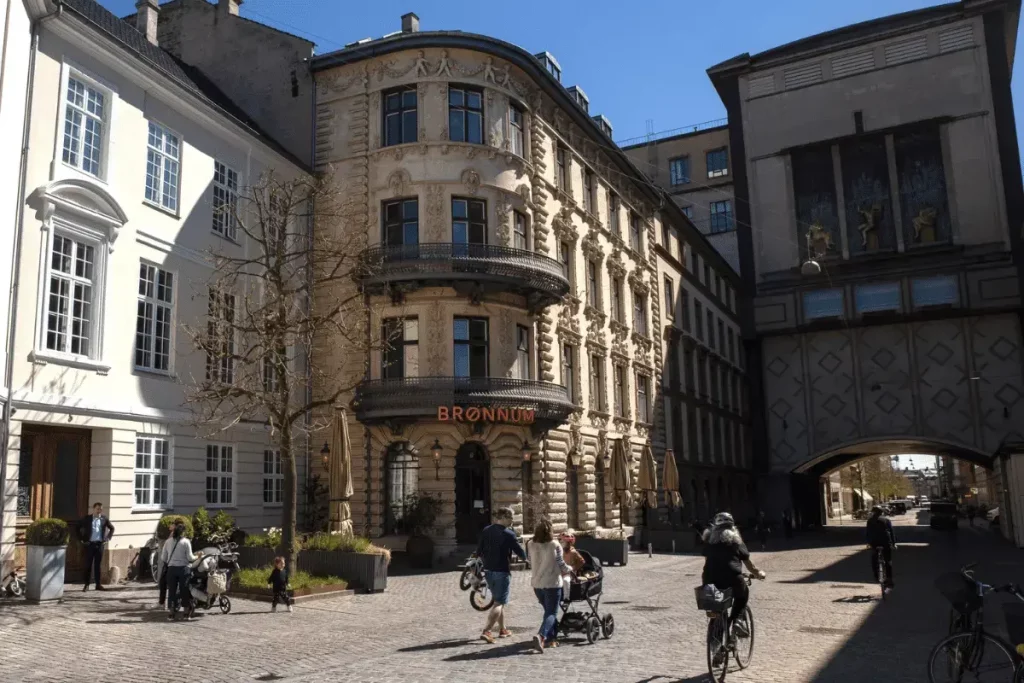
There are so many important places related to Jewish history and heritage in Copenhagen… The old historical burial ground in Møllegade in Nørrebro founded in 1694 is really worth a visit. You can order guided tours – as well as in the city – via Jewish Copenhagen. The functioning burial ground Vestre Mosaiske Begravelsesplads founded in 1886 is also important, and new info-sign and a new map is also guiding you the burial grounds both in Copenhagen and in the rest of Denmark. In Copenhagen itself the so-called Brønnum’s House from 1866 right next to the Royal Theatre is interesting. In this beautiful and newly restored building lived several important Jewish families from the cultural elite in Copenhagen like the art patrons Hirschsprung, the bankers Henriques in the nineteenth century, and not least the Melchior family that developed a close relation to Hans Christian Andersen, who stayed in the house in the Melchior family’s apartment for longer periods. There were also culture salons with participation of composer Edward Grieg and ballet-master August Bournonville. H.C. Andersen also visited the summer residence (Roligheden – meaning the quiet place) of the Melchiors.
Then it was in the countryside but now it is part of the central and thriving neighbourhood Østerbro near the small Hans Christian Andersen park. The residence itself no longer exists, but right next to the park is located the house where the leader of the Danish Jewish congregation C.B. Henriques lived until he had to escape in 1943. Otherwise, you can discover the many personal stories and destinies remembered in the more than 100 stolpersteine placed throughout the city.
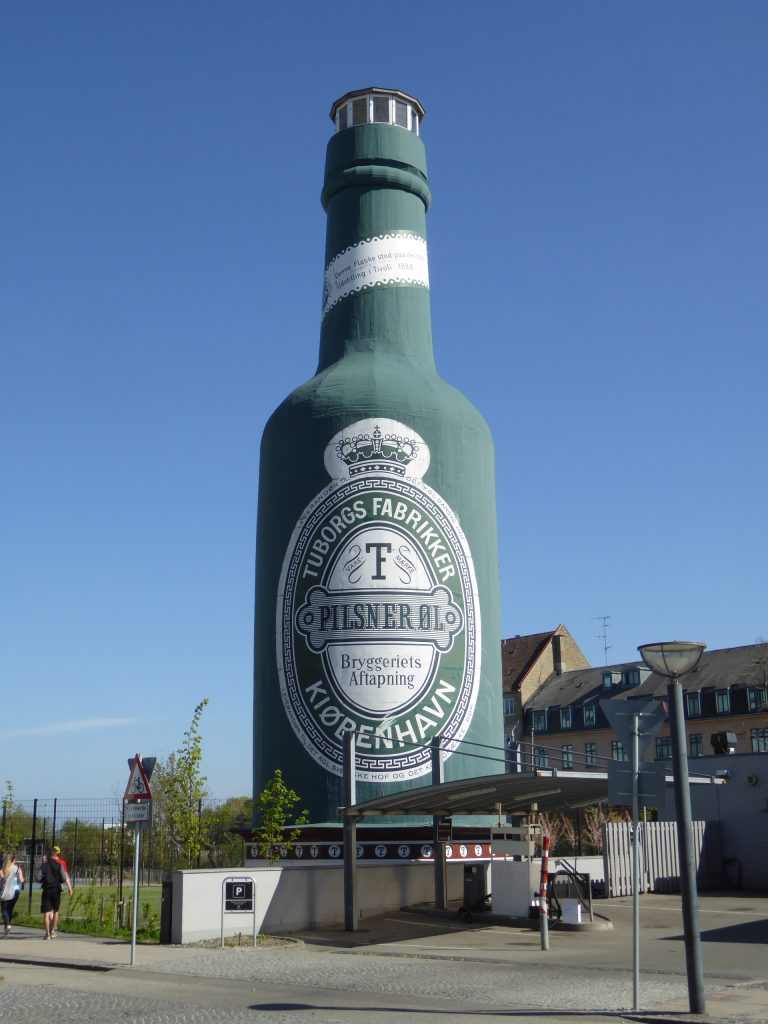
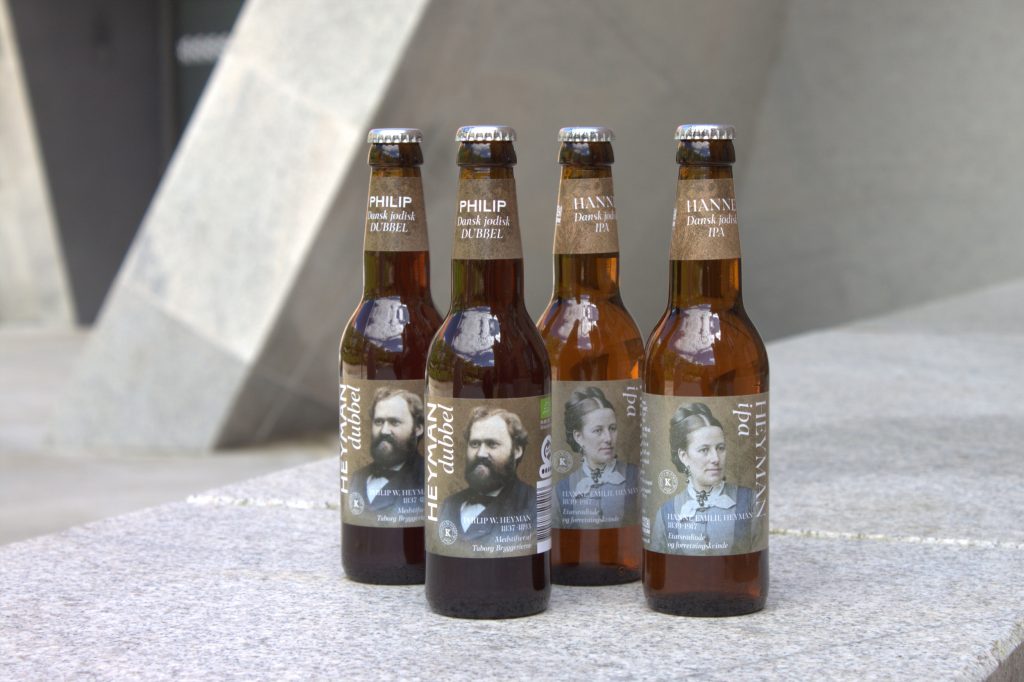
Finally, go and see the big Tuborg Bottle originally designed for a Nordic Art exhibition in 1888. The company, Tuborg, was founded by the old Danish Jewish family, Heyman, and Jewish directors remained in charge until the middle of the twentieth century of the internationally renowned beer company. You can buy two different beers at the Danish Jewish Museum – a Philip W. Heyman (Belgian duppel) and a Hanne E. Heyman (New England IPA) – to give you a taste of the story. Otherwise consult the historical city-map for references to many more interesting and important places related to all 400 years of Danish Jewish history.
Do you feel there’s a tikkun olam willingness in the sharing of Jewish heritage after those last three difficult years?
These have indeed been difficult years, and the museum has suffered a great loss in the number of visitors since October 2023. Despite hard and to some extent successful work, especially to get the schools back to visit the museum, in general the numbers have not increased to the same amount as before. However, when we work on Danish Jewish history throughout the country, we experience a huge interest and support not just from our colleagues at museums, archives and libraries but from the local communities as well. And there has been an enormous support politically from the Danish government and parliament as well as from the Municipality of Copenhagen. All of this provides hope for the future…