The Museum of the Jewish Community of Trieste Carlo e Vera Wagner is organising a number of events as part of the upcoming European Days of Jewish Culture. We spoke to Annalisa Di Fant, the exhibition curator, who also discussed the museum’s refurbishment with us…
Jguideeurope: Are you participating in the EDJC?
Annalisa Di Fant: As every year, all the Jewish sites (Synagogue, Museum and the Jewish cemetery) will be open, with free guided tours, throughout the day.
At the Museum, in the afternoon, there will be a lecture on Jewish marriage, exploring the subject from both a religious and a historical perspective. The speakers will be Rabbi Ariel Haddad, coordinator of the Carlo and Vera Wagner Museum, Prof. Tullia Catalan, professor of Jewish History at the University of Trieste and Gloria Pilastro, educator at the Museum.
The lectures will provide the perfect introduction to the public presentation of a rare Triestine illuminated ketubah dating from 1746, the same year in which the Community was officially founded; this ketubbah will be exhibited at the museum from this day on, on a long-term loan from an important private collection. It will be followed by a short talk by the lender who will tell us the story of the personalities whose names are mentioned in this contract.
In the evening, a musical show will explore the story of the Jews who were on the Titanic, telling the beautiful yet tragic love story of Isidor and Ida Straus. This event is organised in partnership with the Municipality of Trieste.
Two days after the EDJC, the Museum will host an event for children aged between 3 and 6, in collaboration with the association Nati per leggere (Born to Read). Illustrated books from leading Italian and foreign publishers, focusing on the EDJC’s theme, will be shared.
Are you organizing other cultural events in autumn?
In the autumn, there will be some book presentations, still to be defined.
Can you tell us what can be found in the newly renovated rooms?
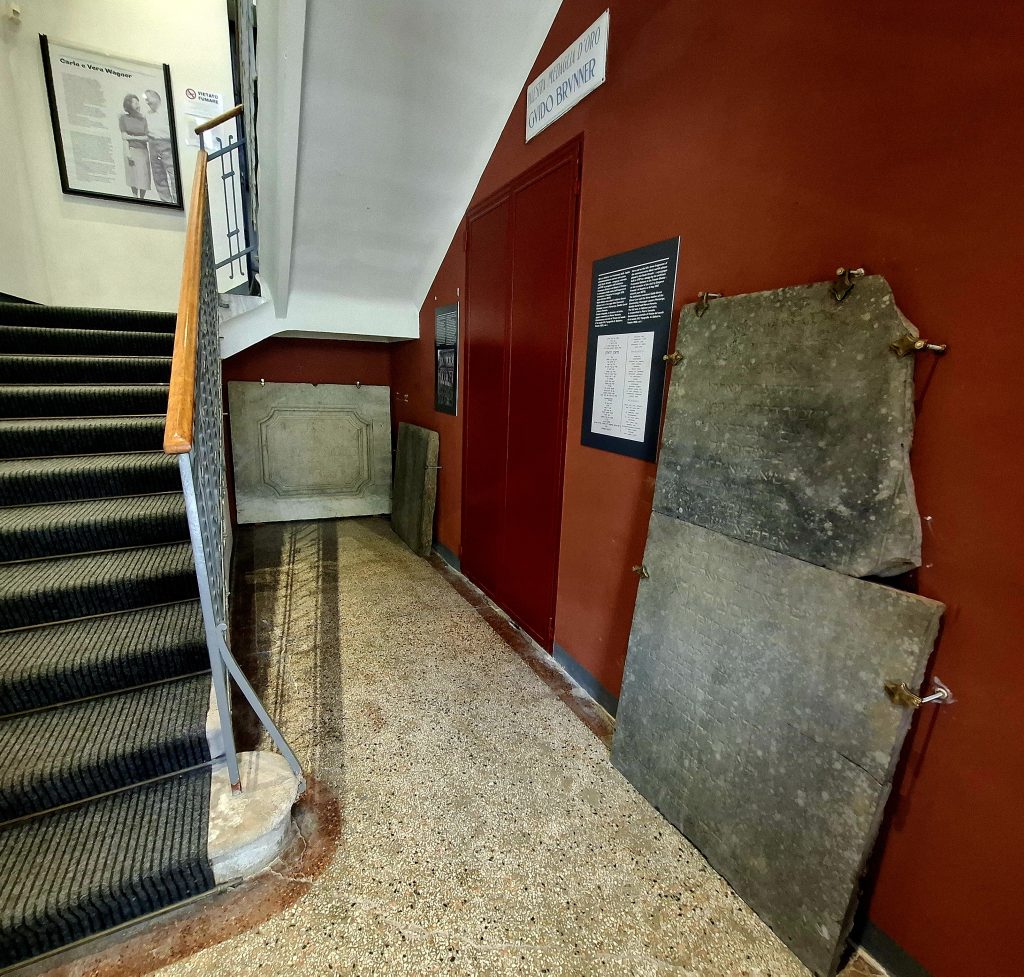
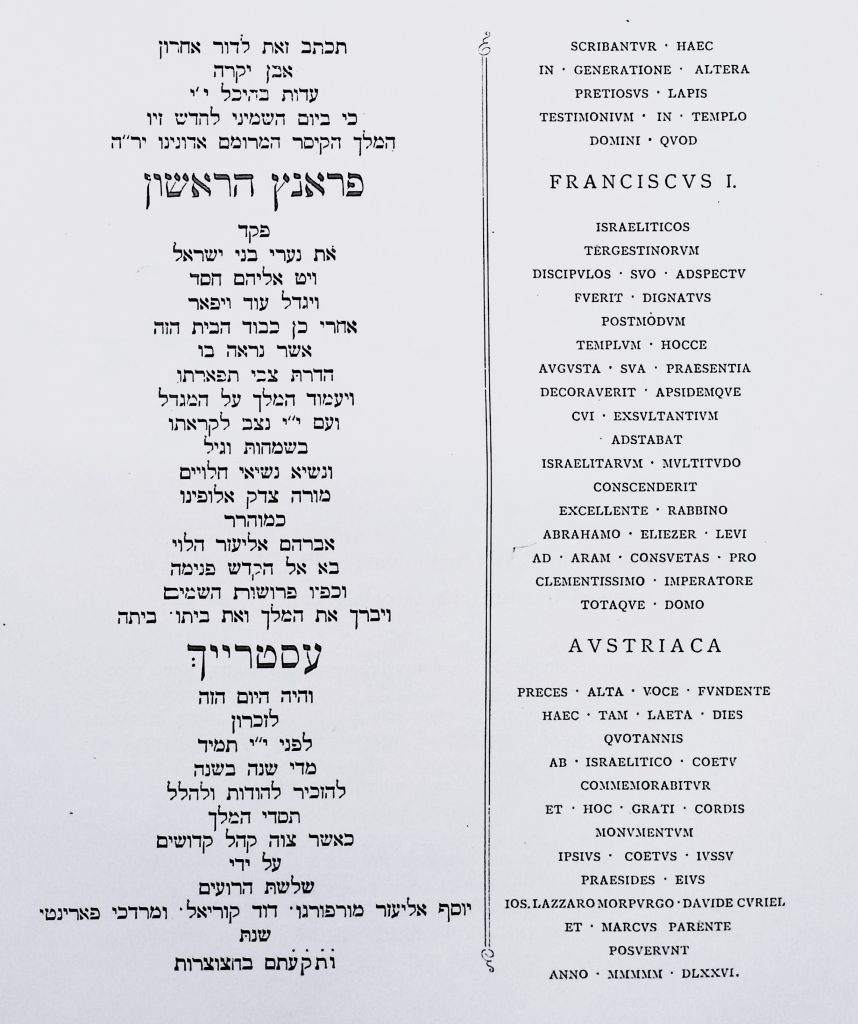
In May 2026, new items were placed on display at the entrance to the Museum. These are remains from the Scola Grande, one of the 18th-century synagogues demolished between 1934 and 1937 during the renovation of the city centre: three fragments of the black marble commemorative plaque installed inside to mark the visit of Emperor Francis I of Austria in 1816, and part of the window that once stood on the façade. Since nothing of the former Ghetto has survived in the city, it is especially important to display this material evidence.
Do you feel there is a tikkun olam willingness in the sharing of Jewish
heritage after these last three difficult years?
Yes, absolutely, and these difficult times continue to this day… but we will not give in to ignorance, misinformation, and confusion.