It’s a major year for culture in Trondheim, with JKFest organising a host of events centred on the theme of belonging. The Jewish Museum Trondheim has also done a fantastic job of digitising photographs. We spoke to Agnete Eilertsen, curator and head of collections at the museum, and Martin Farstad Borg, director of the JKFest festival…
Jguideeurope: What events will be organised for JKFest this year?
Martin Farstad Borg: Jewish Culture Festival Trondheim 2026 will take place from 29 August to 5 September. This year’s programme is rooted in the long history of Jewish life in Trondheim, while also presenting Jewish culture as a living and contemporary tradition.
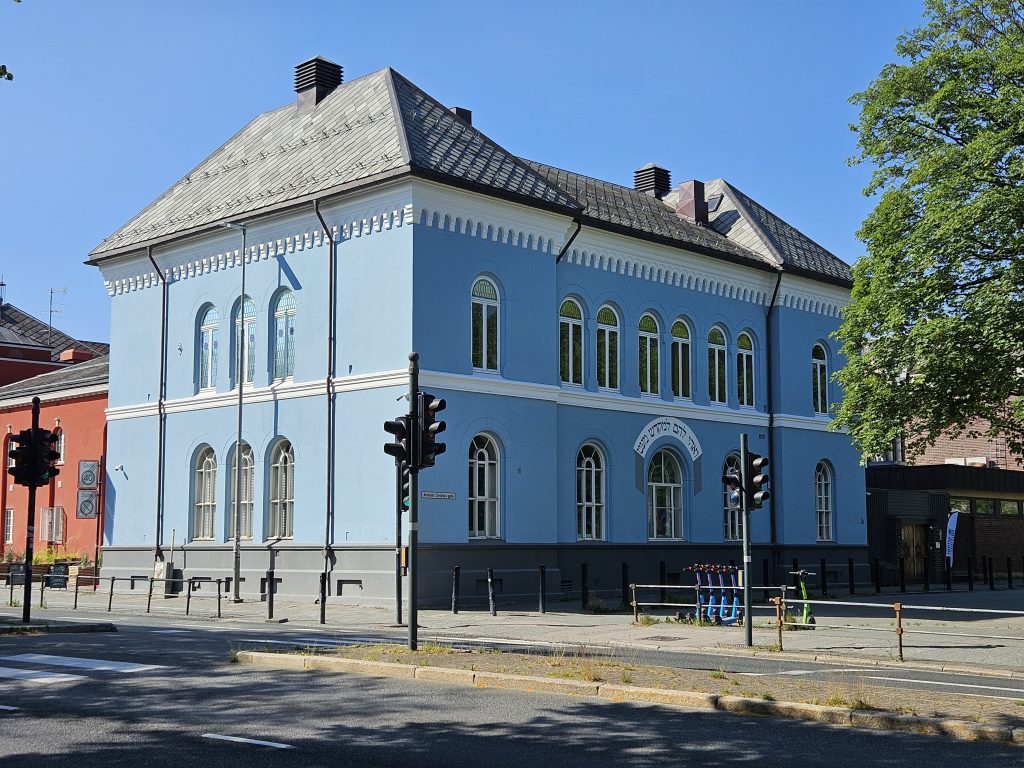
The festival will open with a full day of music, conversations and shared meals at the synagogue and the Jewish Museum Trondheim. The internationally recognised musician Alex Jacobowitz will perform, bringing virtuosity, Jewish musical tradition and strong stage presence to the opening day. The day will conclude with a concert by Mozek & Babka, bringing rhythm, energy and living Jewish musical traditions into the synagogue space.
A central thread in the programme is belonging: how Jewish life has been rooted, challenged, preserved and renewed in Trondheim, Norway and Europe. Several events explore the synagogue and the Jewish Museum not only as historical places, but as living spaces for community, learning, culture and reflection.
The programme includes walks and conversations connected to former Jewish sites in Trondheim, as well as In the Same Soundscape, a concert lecture where violist Semjon Kalinowsky and organist Guy Poupart explore the meeting between Jewish liturgical tradition, European art music and the acoustic space of Ila Church.
Visual art will also play an important role. Artist Miro Pogran will take part in a workshop connected to his artistic universe, and the programme includes a film screening and conversation around Marc Chagall, leading into Pogran’s own exhibition Letters from the Book, which opens at Dora on 3 September.
Food and tradition are central to the festival. Several events include shared meals, from informal lunches and festival dinners to a challah workshop with Shir Ifrah, followed by music, food and community. The festival week will end with Shabbat-related programming, including services, meals and a concluding musical programme.
Throughout the week, JKFest 2026 brings together concerts, lectures, exhibitions, workshops, food traditions, school programmes and public conversations. We want the festival to be a meeting place where audiences can encounter Jewish history, music, art, thought and everyday culture in a way that feels both accessible and deeply relevant today.
Can you share a fond memory from a previous edition?
Martin Farstad Borg: Rather than one single moment, what often stays with us is the atmosphere that emerges when the formal programme turns into something more personal – when a concert, a conversation or a shared meal becomes a meeting between people.
At its best, JKFest creates moments where the distance between audience, artists, guests and community becomes very small. People stay after the event, ask questions, share memories, or discover parts of Jewish culture they had never encountered before.
That is perhaps one of the most important qualities of the festival: it is not only about presenting culture from a stage. It is also about creating spaces where curiosity, knowledge and human connection can grow. In a city like Trondheim, those moments can feel especially powerful.
Do you organise any other cultural events in autumn and winter?
Martin Farstad Borg: Yes. While Jewish Culture Festival Trondheim has its main festival week from 29 August to 5 September 2026, JKFest also organises cultural events outside the annual festival programme. We are developing JKFest as a broader cultural platform, with more regular meeting points between Jewish culture and a wider audience in Trondheim and Trøndelag.
One established event is Vinterfest, which takes place in early December. Vinterfest brings Jewish culture to the people of Trøndelag through food, drink, art and cultural programming. It is a warm and reflective meeting point during the darkest part of the Norwegian year, where Jewish traditions and cultural expressions are shared with a broad local audience.
This year, Vinterfest will include a concert lecture on Leonard Cohen with the acclaimed Norwegian jazz singer Solveig Slettahjell and professor Øyvind Varkøy. Through music, storytelling and reflection, the event will explore Cohen’s artistic universe and the Jewish cultural and spiritual currents that shaped his work.
We are also preparing a Jewish film festival, which will be organised for the first time in February 2027. The festival will present films that explore Jewish history, identity, contemporary life and artistic expression, and it will also include an award ceremony for Best Film. This gives us a new arena for film, conversation and public engagement around Jewish culture.
Together, Vinterfest and the film festival allow JKFest to continue the conversations from the main festival week and create more regular meeting points between Jewish culture and a wider audience throughout the year.
Can you tell us about the recent digitization of your photo collection?
Agnete Eilertsen: Most of the photographs in our collection have already been digitized, but many of them were scanned many years ago in low resolution and saved as JPEG files. This spring, we received a grant from the Schrøder Foundation to re-digitize the collection according to current archival standards, creating high-resolution master files in preservation-approved formats. We are beginning this work next week.
Creating high-resolution archival master files is an important step in safeguarding this unique source material for the future, especially as the original photographs are vulnerable to physical deterioration over time. At the same time, the new digitization process will make the collection more accessible, allowing us to share and publish the material in much higher quality.
We are very pleased to begin this work and look forward to preserving these photographs even better for future generations.
Can you describe some of the very original and interesting photos?
Agnete Eilertsen: The museum’s photo collection consists of approximately 6,000 historical photographs documenting Jewish life in Norway north of Dovre from the early 1900s to the present day. The collection includes photographs of Jewish businesses in several Norwegian cities, as well as religious life in the synagogue. We also hold photo albums and family collections from several Jewish families dating from before the Second World War. These materials are particularly rare, as much Jewish property was destroyed or lost during the occupation.
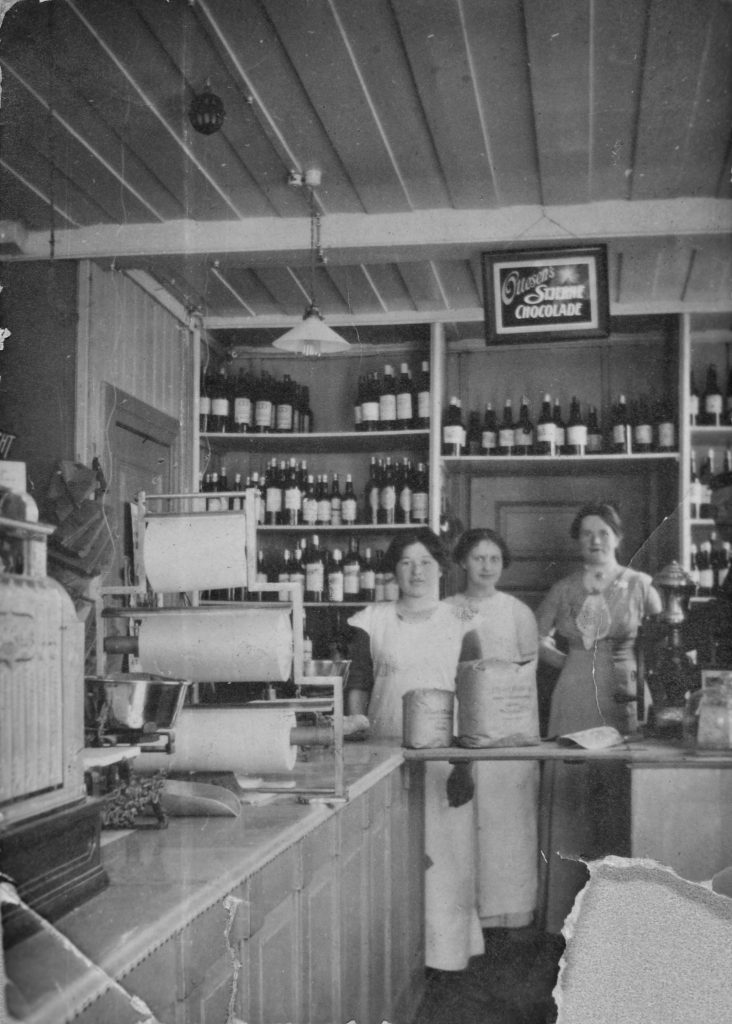
One of the oldest photographs in the collection shows one of the first Jewish-owned shops in Trondheim, a wine store called Jacobsen’s. The business was established around 1900, and the photograph dates from approximately the same period.
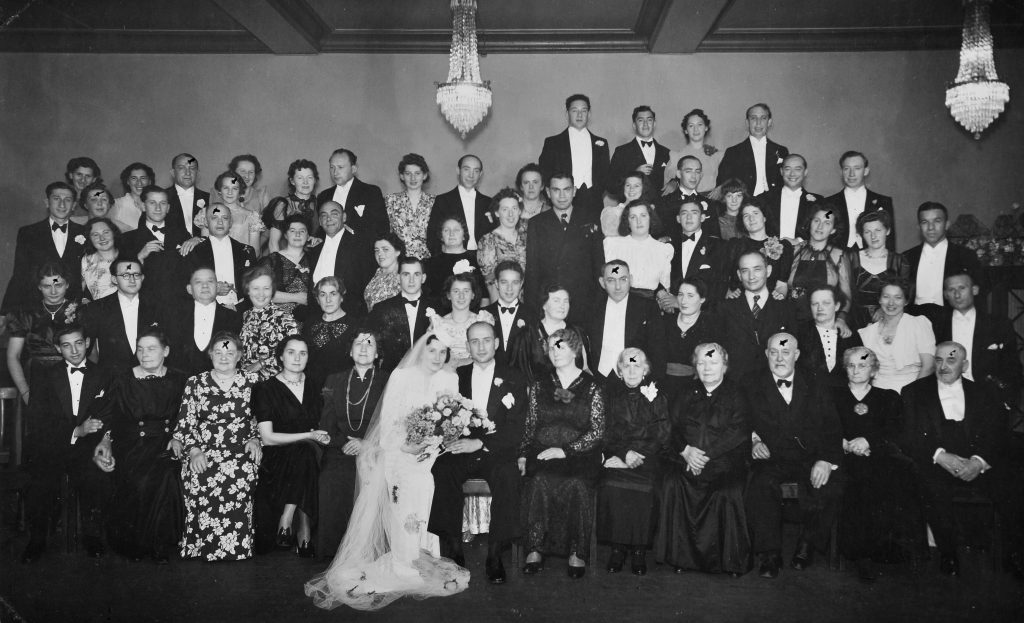
Another especially moving photograph is the 1941 wedding portrait of Asne Buchmann and Jacob Levin. A previous owner marked crosses on the foreheads of those who were killed during the war. This photograph is currently on display in the museum’s exhibition Homecoming.