Location
Normandy
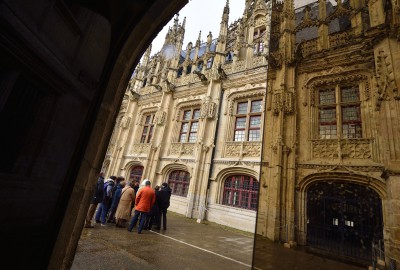
Jewish life in Normandy was focused around Caen and Rouen. The Jewish community lives in the region since the Roman empire until their expulsion in 1182. During the Middle Ages, Normandy was the ...
Jewish life in Normandy was focused around Caen and Rouen. The Jewish community lives in the region since the Roman empire until their expulsion in 1182. During the Middle Ages, Normandy was the ...
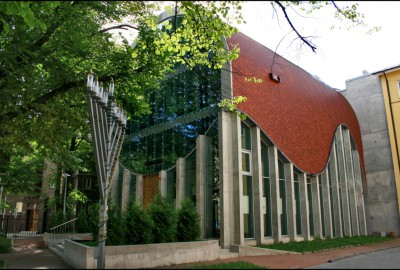
The Estonian Jewish community is the smallest of the Baltic states, and historically, the one that played the least important role in Yiddishland before the Shoah. Indeed, the community never ...
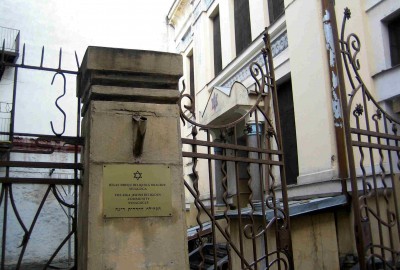
The Jewish community of Latvia traces its origins to the middle of the fourteenth century. Numbering today some 15000 persons, it developed in the principalities of Kurland and Livonia, ...
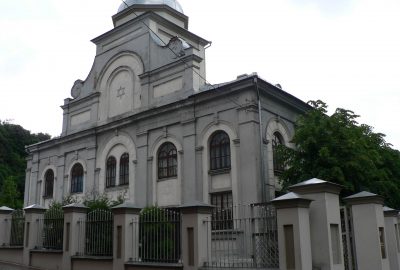
The Jewish community of Lithuania numbers only some 6000. People It is no more than a shadow of what it once was: until the Shoah, it was a center of the Yiddish-speaking lands. In a sense, ...
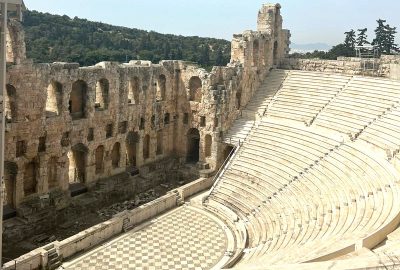
Below the Acropolis is Athens, a marble plaque engraved with a menorah has been uncovered amid the clutter of the Agora, near a statue of Emperor Hadrien. Perhaps it used to rest on one of the ...
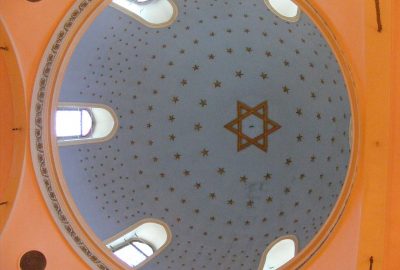
In the beautiful synagogue of Ahrida, one of the oldest in Istanbul, the tevah assumes the shape of a caravel symbolizing not only Noah's Ark but also the vessels that in 1492 transported the ...
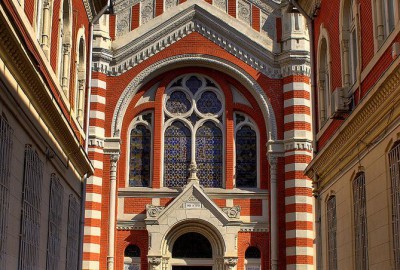
There is little evidence of a Jewish presence on the coats of the Black Sea before the arrival of Roman legions in the early second century C.E. Vestiges, coins, and inscriptions preserved in a ...
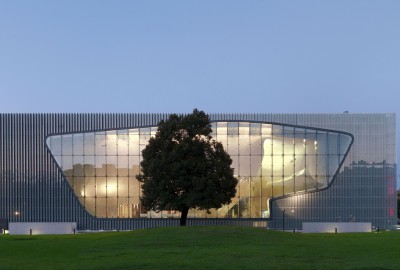
Poland represents the most illustrious and tragic chapter in European Jewish history. For centuries, this country was the most welcoming to Jews fleeing Germany, Spain, and southern Europe; the ...

Below the bell tower of Prague's Jewish city hall, there are two clock faces. One displays Roman numerals, and the other Hebrew letters. The hands of the first clock revolve in the normal ...
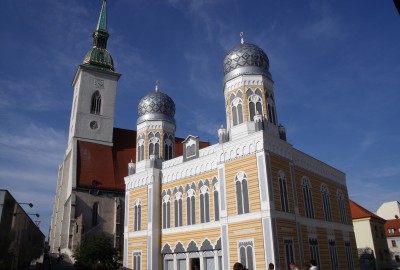
The history of Jews in Slovakia -dating from the sixteenth century under the protection of the Hapsburg- intersects that of their fellow believers in Hungary and the Czech Republic. Jews in these ...
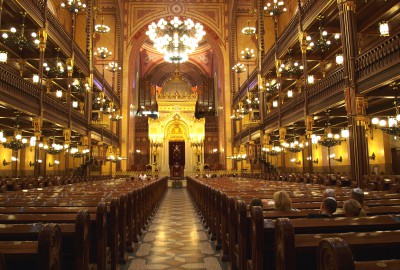
At the Jewish Museum of Budapest, a replica of a tombstone dating from the third century bears the image of a menorah. This relic attests to nearly 1700 years of Jewish presence in the Carpathian ...
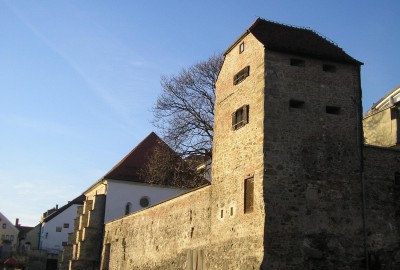
A Slavic land under Germanic rule for many centuries, Slovenia finally gained independence in 1991. The fate of the Jewish population here depended largely over the years on the good will of its ...
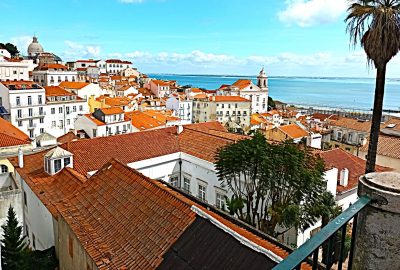
Portugal became an autonomous kingdom under Henry of Burgundy, a prince of French origin. His son, Alfonso I, was the first king of Portugal (1114-85). The history of its Jewish population ...
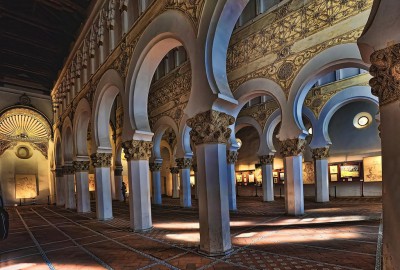
There are numerous legends surrounding the arrival of the Jews in Spain. They were propagated by Jewish and Christian chroniclers, especially in the sixteenth century. Some say they came in the ...
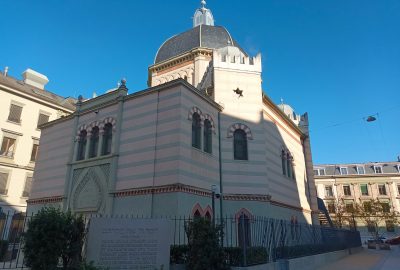
Jewish craftsmen and merchants settled in Switzerland's Roman cities between the third and fourth centuries, but the first documents that mention them date only from the thirteenth century. ...
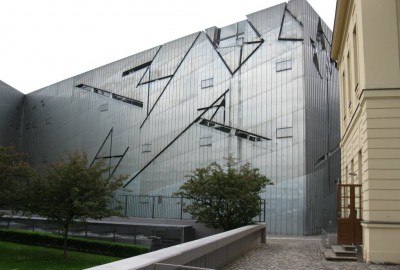
At the end of the nineteenth century, an international conference took place sponsored by the Zionist Organisation that was dedicated to the problem of the future national language of the Jewish ...
154, rue Roosendael, 1090 Brussels Tel : +32 475 40 26 49 http://www.cisu.be/
80, rue des Primeurs, 1090 Bruxelles Tel: +32 (0) 2 332 25 28 http://www.beth-hillel.org/
32, rue de la Régence, 1000 Brussels Tel: +32 (0) 2 512 43 34 The Great Synagogue Europe | Synagogue | Bruxelles (synaregence.eu)
Nieuwe Uilenburgerstraat 91, 1011 LM Amsterdam Tel: +31 (0) 87 876 5225 http://www.beithachidush.nl/
Nieuwe Uilenburgerstraat 173-175, 1011 LN Amsterdam Tel: +31 (0) 20 622 5333 https://www.gassan.com/
Mr. Visserplein 3, 1011 RD Amsterdam Tel : + 31 (0) 206245351 Portugees-Israëlietische Gemeente – Official Website of the Portuguese Jewish Community of Amsterdam (esnoga.com)
Plantage Middenlaan 24, 1018 DE Amsterdam Tel: +31 (0) 20 531 0310
Waterlooplein 2, 1011 NV Amsterdam Tel: +31 (0) 20 552 4074 Waterlooplein flea market Amsterdam – The oldest flea market
Waterlooplein 207, 1011 PG Amsterdam Tel : +31 (0) 20 233 1522 santegidio.nl
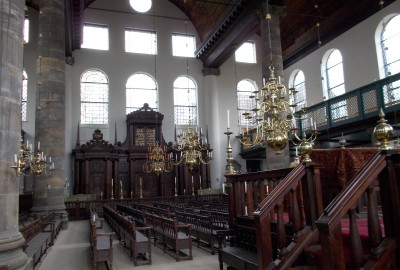
Holland has always welcomed political and religious refugees. The first great wave of Jews immigrated to the Netherlands from Spain and Portugal at the end of the sixteenth century. Although ...

Dublin’s Jewish community reached its apogee at the end of the nineteenth century. It centered around South Circular Road. Indeed, Dubliners nicknamed Warren Street, Martin Street, and ...