Location
Norway
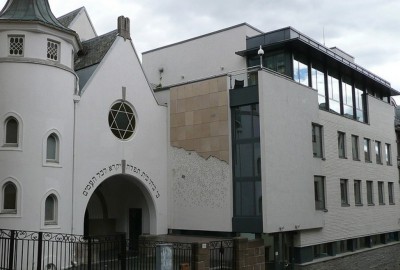
Visitors walking on the street named after Norway's national poet Henrik Wergeland (1808-45) will be reminded that it was Wergeland who was behind the law that allowed Jews to immigrate to this ...
Visitors walking on the street named after Norway's national poet Henrik Wergeland (1808-45) will be reminded that it was Wergeland who was behind the law that allowed Jews to immigrate to this ...
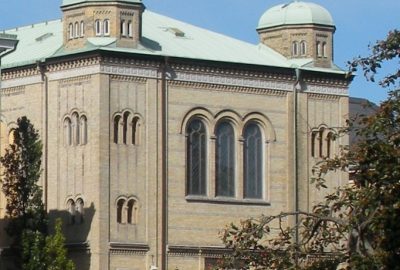
Jews have lived in Göteborg since 1782. The Conservative (masorti) rite synagogue is located at the same address as the community center. There is also an Orthodox minyan in Göteborg. ...

Danish Jews evacuated during the Nazi occupation arrived by boat in Malmö thanks to Count Folke Bernadotte. Some Jews died after their arrival and are buried in the city cemetery, where a ...
The large university city of Uppsala does not have a Jewish community, but it does have a Jewish studies department.
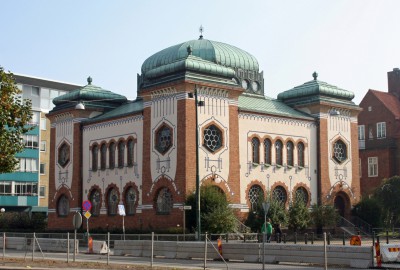
Sweden's Jewish community is the most important one in Scandinavia, as much in terms of the number of practicing faithful (18000-20000) as culturally. In February 2000, the Swedish capital hosted ...
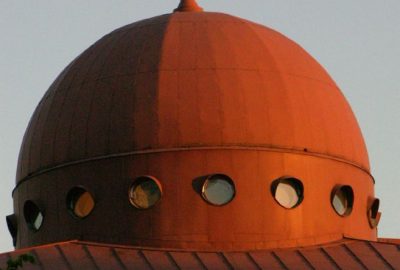
, a fortress island opposite Helsinki, was the site of the first Jewish place of worship. According to legal developments, a decree from 1869 and the letter from the Senate from 1876, demobilised ...
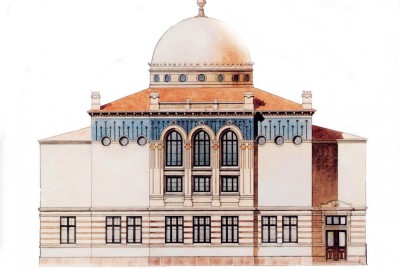
The first Jews who settled in Finland were of Russian origin and were soldiers of the czar's army, called cantonists. With its independence in 1917, the country promptly granted civil rights to ...
The only glatt kosher hotel in Scandinavia, the Strand Hotel is located in the well-known spa town of Hornbaek. It operates between Passover and Rosh Hashanah and has a synagogue on the premises.
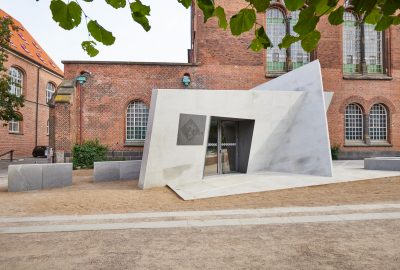
On the approximately 8000 Jews living in the country of Denmark, the great majority of them as Ashkenazim who make Copenhagen their home. In 1968, 2500 Polish Jews fled the anti-Semitic purges ...
The terrifying war against Ukraine changes, of course, the function of these pages devoted to the Jewish cultural heritage of that country. Many of the places mentioned were razed to the ground ...
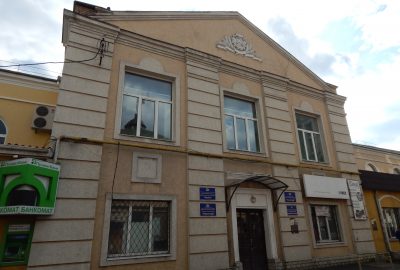
The terrifying war against Ukraine changes, of course, the function of these pages devoted to the Jewish cultural heritage of that country. Many of the places mentioned were razed to the ground ...
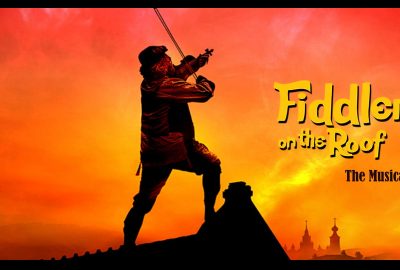
The terrifying war against Ukraine changes, of course, the function of these pages devoted to the Jewish cultural heritage of that country. Many of the places mentioned were razed to the ground ...
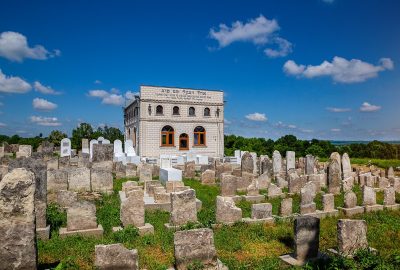
The terrifying war against Ukraine changes, of course, the function of these pages devoted to the Jewish cultural heritage of that country. Many of the places mentioned were razed to the ground ...
The terrifying war against Ukraine changes, of course, the function of these pages devoted to the Jewish cultural heritage of that country. Many of the places mentioned were razed to the ground ...
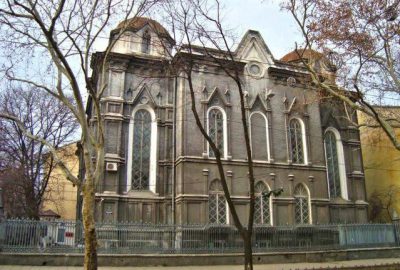
The terrifying war against Ukraine changes, of course, the function of these pages devoted to the Jewish cultural heritage of that country. Many of the places mentioned were razed to the ground ...
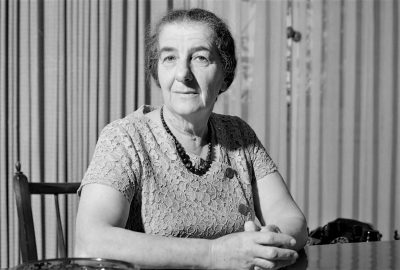
The terrifying war against Ukraine changes, of course, the function of these pages devoted to the Jewish cultural heritage of that country. Many of the places mentioned were razed to the ground ...
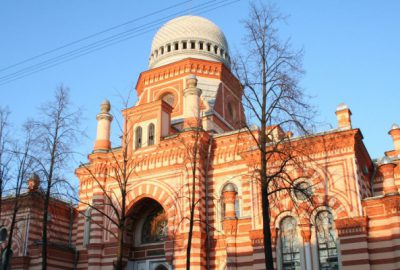
Despite the prohibition against Jews living in Russia, beyond a clearly defined zone, there were a few remarkable exceptions in the eighteenth century, particularly in the capital, Saint ...
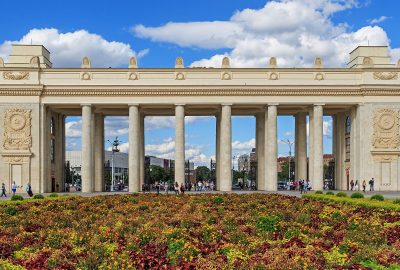
Due to the expulsion of Jews from Russia and their strict confinement within the “residential zone”, they were few Jews in Moscow prior to 1900, which explains the absence of a Jewish ...
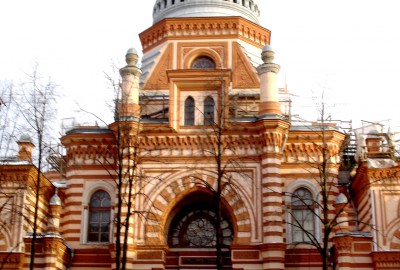
Until the early twentieth century, the history of Russia's Jews unfolded primarily in territories that no longer belong to the present-day Russian federation (Ukraine, Belarus, Bessarabia, and ...
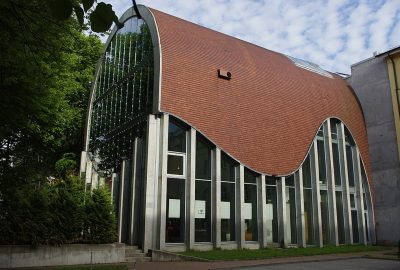
The modern synagogue is a low building, resembling a large majority of synagogues before the Shoah. The Jewish presence in the city of Tallinn seems to date from at least the 14th century, ...
The number of active Jewish communities in Latvia is much smaller since the Shoah. All information concerning them is likely to quickly prove obsolete, since demographic trends in the communities ...

Around 9,000 Jews live in Riga. Riga is also home to the only Jewish hospital in the former Soviet Union. The Latvian Society for Jewish Culture is the principal organization of the Jewish ...
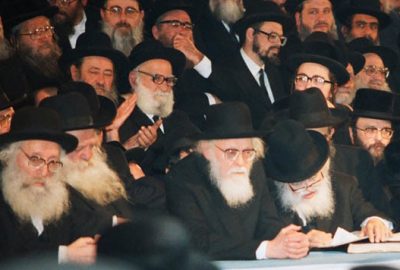
Panevezys is Lithuanian for Ponevezh, famous for its yeshiva that its prewar leader, Rav Yosef Kahaneman, reestablished following the war in Bnei Brak, the Orthodox quarter of Tel Aviv. ...

Klaipeda is the former German city of Memel, a place where Judaism came under the influence of the modern nineteenth-century Orthodoxy originating in Germany. The city is still home to some 300 ...
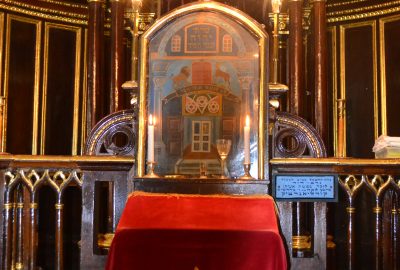
Nothing of the Jewish presence in Kaunas remains but the synagogue, whereas before the war there was a yeshiva, a kosher slaughterhouse, and a prison. The birthplace of Emmanuel Levinas, Kaunas ...
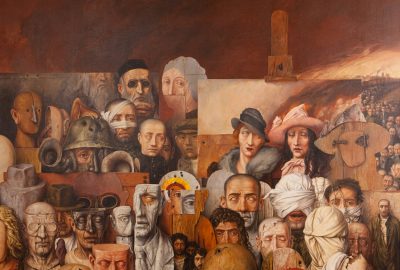
The capital of Vilnius, once known as the “Jerusalem of the east” has few Jewish monuments today. However, in the last few years, the Museum of the Gaon of Vilnius has made ...
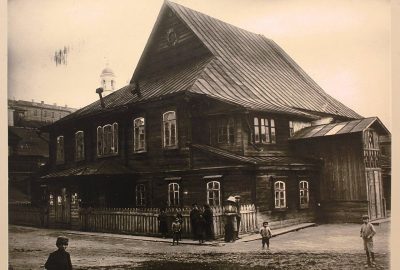
Mogilev, on the Dnieper, was for many years a Jewish majority (21,539 Jews in 1897, or 50% of the population). As elsewhere, the ghetto was annihilated during the occupation. Traces of the former ...
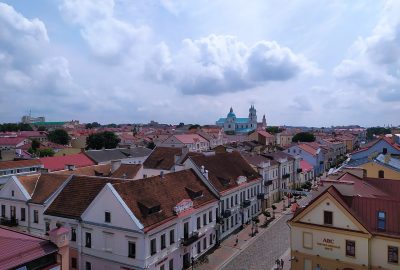
Grodno, seat of a Catholic bishopric, was once a major city within the Polish-Lithuanian Union, as evidenced by Farny, the beautiful Baroque Jesuit church that towers over Sovietskaya Square. ...
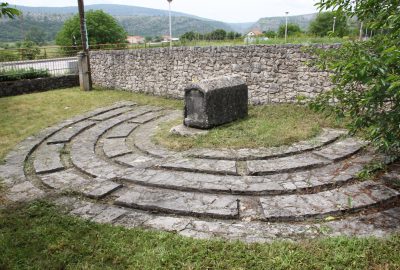
For nearly two centuries, Stolac was the destination for a pilgrimage to the grave of rabbi Moshe Danon. In 1820, Grand rabbi of Sarajevo, Moshe Danon, and ten other prominent members of the ...
The city’s Jewish cemetery, which dates back to the eighteenth century, was severely damaged during the 1992-95 war, though it has been partly rebuilt since. The city still houses a tiny ...