Location
Segovia
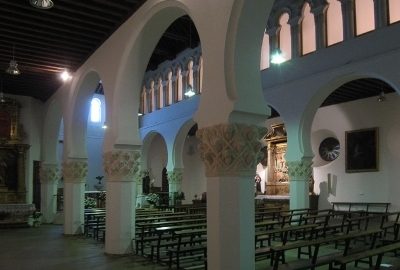
Segovia was home to one of the biggest communities in the Kingdom of Castile. It produced important figures like Abraham Senior and his son-in-law Meyer Melamed, who served the Catholic monarchs ...
Segovia was home to one of the biggest communities in the Kingdom of Castile. It produced important figures like Abraham Senior and his son-in-law Meyer Melamed, who served the Catholic monarchs ...
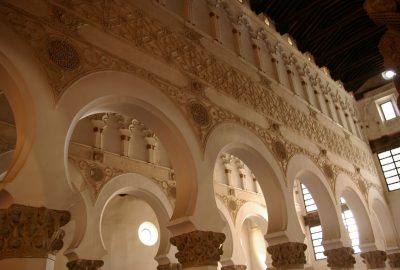
The “Sephardic Jerusalem” is known around the world for the beauty of its synagogues and its Jewish quarter. The memory of the community has remained vivid in Toledo; historians have ...
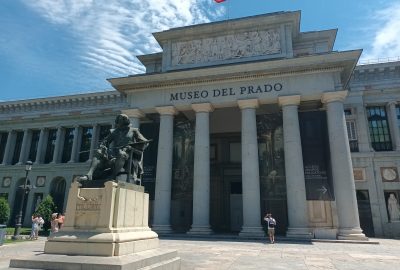
In the film A Monkey in Winter, Jean Gabin and Jean-Paul Belmondo debate whether the Prado is a museum surrounded by a garden or a garden on which a museum is placed. What is certain is that the ...
The presence of Jews in Castile and León is attested as far back as the tenth century. Over the centuries that followed, the rulers granted the Jews the same rights and duties as of the ...
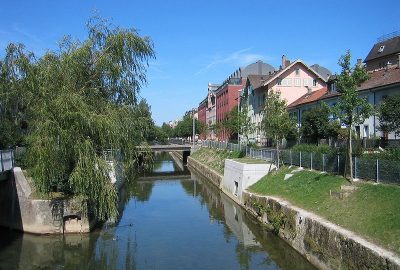
It was the clock-making industry that attracted Alsatian Jews to the Jura beginning in 1835. Among the great names in this industry was Achille Picard. From 1858 onwards, devout Jews met in a ...
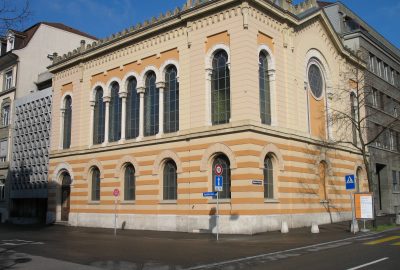
The Jewish presence in Bern probably dates from the 6th century. Jews are mentioned in the legal texts. During the Middle Ages, as in many other cities in the region, the situation of the Jews ...
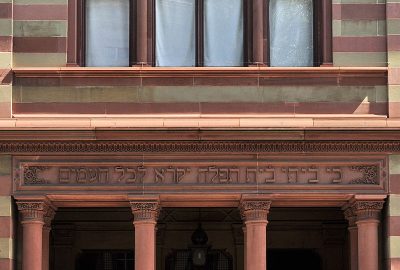
The Jewish presence in Zurich probably dates back to the 13th century. During the Middle Ages, as in many other cities in the region, the situation of the Jews varied between reception, ...
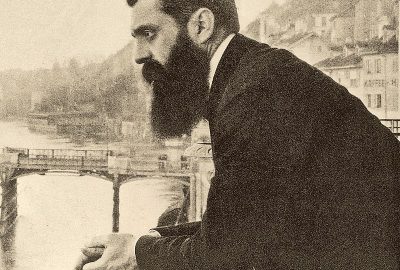
The Jewish presence in Basel probably dates from 1213. During the Middle Ages, as in many other cities in the region, the situation of the Jews varied between acceptance, persecution and ...
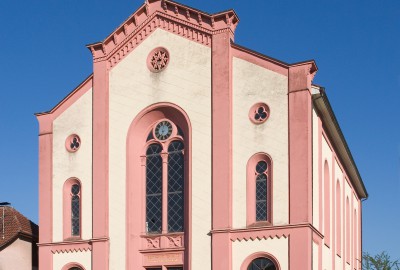
Until the end of the eighteenth century, the two villages of Endingen and Lengnau were the only ones that authorized the permanent establishment of Jews. Beginning in 1622, they resided here ...
German-speaking Switzerland covers two-thirds of the country and accounts for 70% of its population. With cities as varied as its economic centre Zurich, the capital Berne, the watchmaking city ...

Founded in 1833, the Jewish community of La Chaux-de-Fonds met in a flat on rue Jaquet-Droz. Then, in 1853, a private house was used as a synagogue. From 1872, a was used in the commune of Les ...
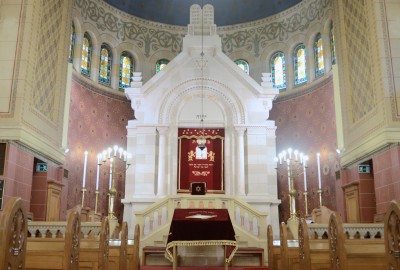
The Jewish presence in Lausanne is attested continuously from 1848 onwards, when several families met in a rented room. In 1895, the community had 41 members. In 1909, there were 110 members. It ...
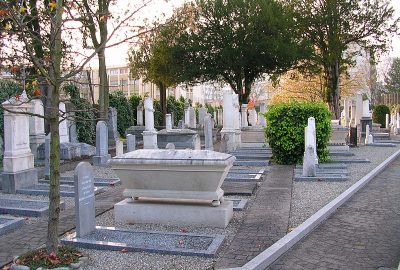
Before Jews were able to settle in Geneva, the neighboring city of Carouge (at the time part of the Kingdom of Sardinia) opened its doors to them around 1779. The sole remaining Jewish ...
Switzerland’s French-speaking population is located in the west, in a region that covers almost a quarter of the country’s surface area. With its charming little towns along the lakes ...
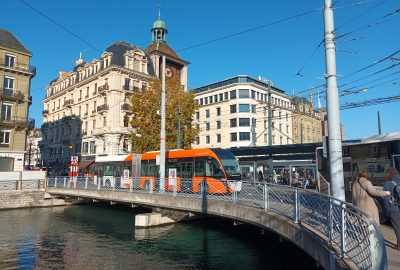
The city of banking and watchmaking… but not only. Geneva is a much more complex city, home to a great university and eminent thinkers for centuries, and it even published one of the first two ...

The history of the Jews in Speyer dates back more than 1,000 years. In the Middle Ages, the city of Speyer (formerly Spira) was home to one of the largest Jewish communities in the Holy Roman ...
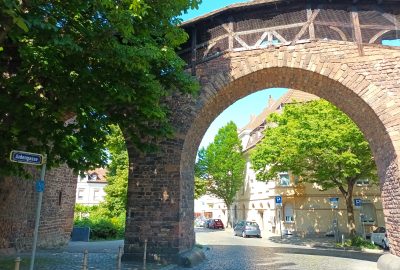
As the cultural and municipal services proudly point out, Worms has long been a central city for many religious movements. Thus, within a small area in the heart of its old town, you will find ...
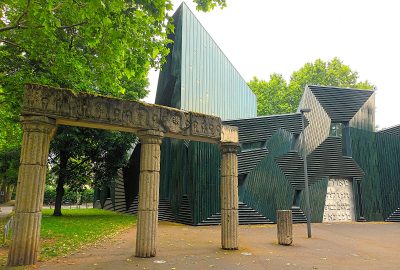
An ancient Roman city, Mainz is known for its university, museums and places of worship, its monuments including the Castle of the Electors, its popular festivals… But Mainz is above all ...
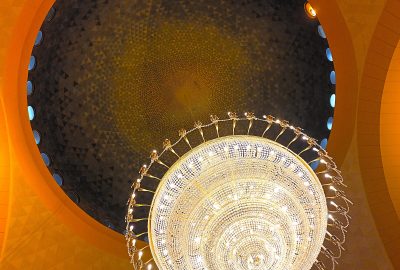
Like the opera house in the business district, Frankfurt is above all a city of encounters and fruitful exchanges in all fields and between different populations since the Middle Ages, but also a ...
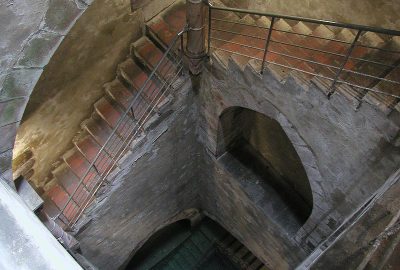
The small city of Friedberg possesses the deepest mikveh in Germany: seventy-two steps carved into the basalt lead the visitor to a natural spring situated eighty-two feet below the surface. At ...
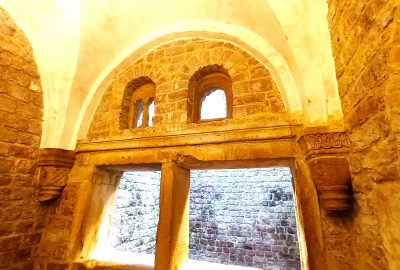
The oldest vestiges of a Jewish presence in Germany are found in the Rhineland. For a long time, the river constituted the western border of the Roman Empire. In the fortified cities of the ...

Once again the capital of a unified Germany, Berlin today has the largest Jewish community in the country (11 000 people). This is nonetheless far fewer than the some 170 000 Jews who lived here ...
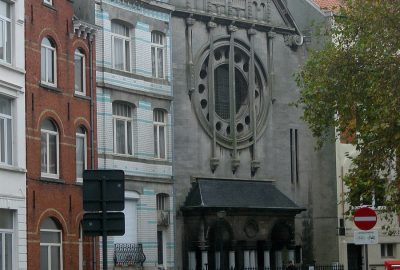
Ostend is a seaside town that has been very popular with British holidaymakers for centuries, as James Joyce, for example, testified. But also for the Belgian working class. The Ostend painter ...
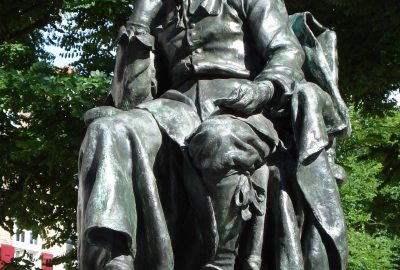
The monumental Ashkenazic Synagogue in The Hague was sold to the municipality, which put it at the disposal of a congregation of Turkish Muslims. It has since become the Al Aqsa Mosque. The ...
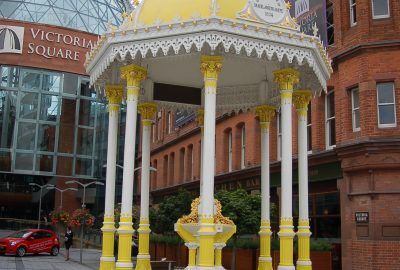
The Jewish presence in Belfast appears to date back to the mid-19th century, with the arrival of German Jewish merchants. The first synagogue in Belfast was built in 1871 on Great Victoria ...
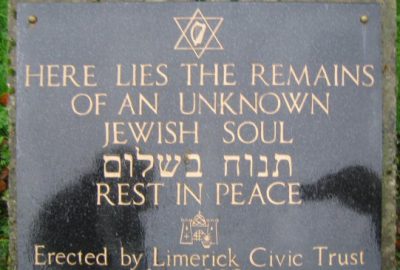
Limerick’s small Jewish community (170 people) disappeared in 1904 after the only pogrom in Irish history- a pogrom with zero victims. The small of Kilmurray at Newcastle, County Limerick, ...

The Jewish presence in Cork appears to date back to the 18th century. However, the community was formed mainly at the end of the 19th century, notably with the arrival of Lithuanian Jews. At the ...
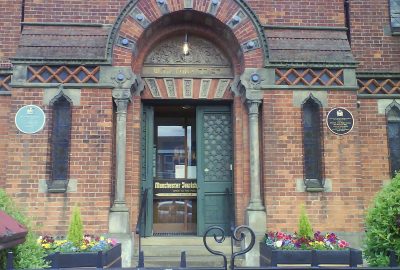
With 30,000 Jews, Manchester, known mostly for its 2 famous football teams, has the highest Jewish population in Great Britain after London. The Jewish presence in Manchester seems to date from ...
Oxford’s oldest synagogue was transformed into a tavern, then incorporated into one of the university’s oldest colleges, Christchurch. There is, however, a new synagogue. It was built ...
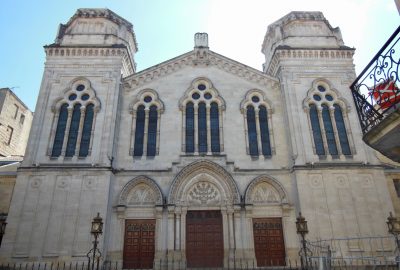
For three centuries, the cellars of tumbledown houses in the old town were home to a hidden Jewish community, that of the conversos who came here from Spain after 1474. Used to hiding their faith ...