Location
Tbilisi and its surroundings
As you can discover on the page devoted to the Georgian capital, Tbilisi is home to a number of sites linked to Jewish cultural heritage in the old town. One of these is the astonishing synagogue ...
As you can discover on the page devoted to the Georgian capital, Tbilisi is home to a number of sites linked to Jewish cultural heritage in the old town. One of these is the astonishing synagogue ...
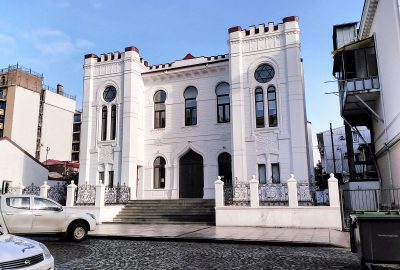
Large city on the shores of the Black Sea and an important seaside resort, Batumi still has some Jewish sites. From Tbilisi, the easiest and most pleasant way is to go by train (about 5 hours, ...
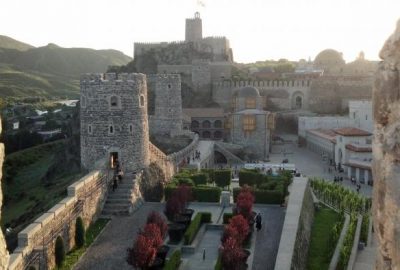
A very interesting encounter with Georgian Judaism is possible by visiting the village of Akhaltsikhe. Located on the road to Batumi, the second largest city in the country, Akhaltsikhe is ...
On this road you’ll find the town of Akhaltsikhe, with its ancient Rabati quarter housing the country’s oldest synagogue, as well as another built in the 20th century. Once ...
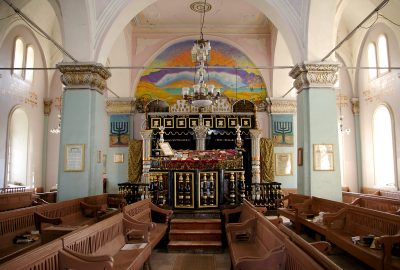
In the north of the country, the city of Oni, about 200 kilometers from Tbilisi, is home to a wonderful in excellent condition, located on Baazovi Street. Built in the 1890s according to the ...
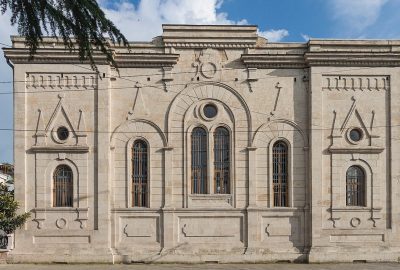
The second largest city in the country of Georgia, Kutaisi is located just over 200 kilometers northwest of Tbilisi. The cheapest way to get there from the capital is the minibus (about 4 hours ...
Surprising discoveries await you in northern Georgia. From Kutaisi, with its great synagogue dating from the late 19th century and its famous translator Boris Gaponov, to Oni, with its sublime ...
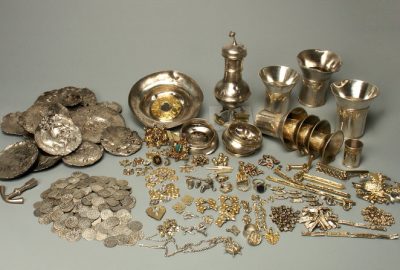
The Jewish community of Erfurt first appears in the historical record in the late 11th century, with the earliest recorded building of the synagogue dating from then. For centuries Jews and ...

The history of the Jews in Cologne is documented from the year 321 AD, almost as long as the history of Cologne. Over its history, the Jewish community of Cologne ...
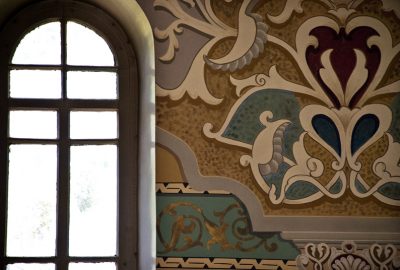
Straddling Europe and Asia, Georgia, situated between the eastern shores of the Black Sea and the high mountains of the Caucasus, is a land of plenty, rich in exceptional nature and in historical ...
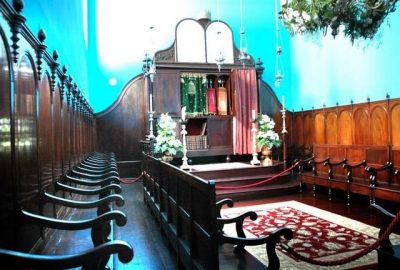
In 1815, North African Jews whose ancestors had been expelled from Spain came to the Azores. The island was duty-free and allowed them to import and resell to local businesses. In 1820, the ...
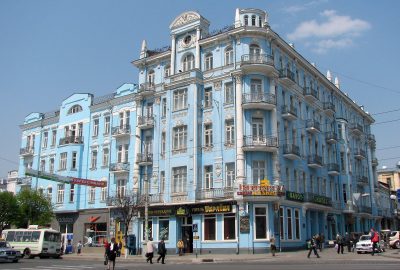
The terrifying war against Ukraine changes, of course, the function of these pages devoted to the Jewish cultural heritage of that country. Many of the places mentioned were razed to the ground ...
This village, located outside Vila Nova de Paiva, welcomes a small that is dedicated to the history of the presence of the Jewish community in the region. Located in an eighteenth-century ...
Bragança is a medieval hilltop town in northern Portugal, 22 kilometres from Spain. Although there seems to be no record of a Jewish presence in Bragança in the 12th century, the royal privileges ...

The presence of a Jewish community in Jaen is first recorded in 612, when a king’s edict forbade Jews to own Christian slaves. If the Jewish population reached its peak during the seventh ...
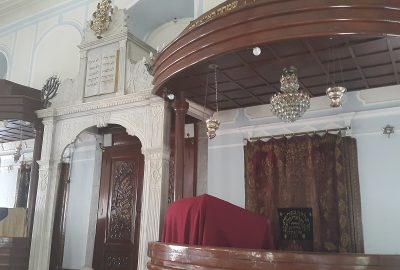
It is unknown how far in the past a Jewish community existed in Izmir. When we speak of the Jews of Izmir, usually the Sephardic Jews who immigrated from Spain and Portugal between 1492 and 1497 ...
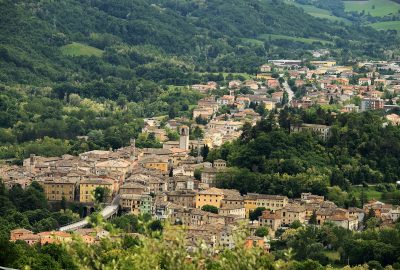
Jews settled in Pergola in the thirteenth century. The building that housed the synagogue can still be seen on Via Don Minzoni, 9. A Jewish cemetery was identified on the road ...
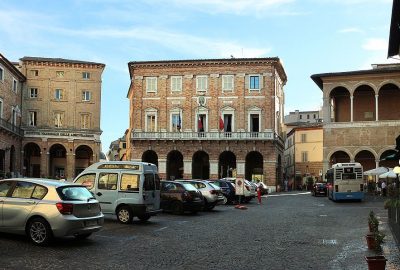
There are little remaining traces of the Jewish presence in Macerata. You can nevertheless visit the which contains archives mentioning the presence of a Jewish community in the city since ...
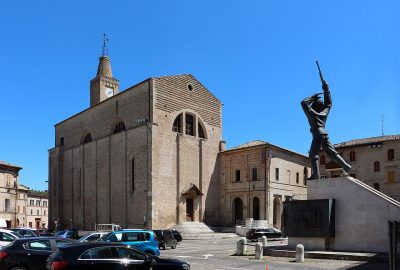
Jews settled in Corridonia in 1436. The only remaining trace of this community is the ghetto entry gate located Via Antonio Mollari.
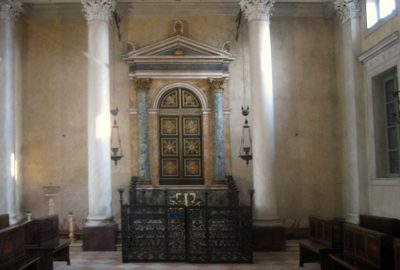
Sabbioneta is a special city: it was created in the sixteenth century by prince Vespasiano I Gonzaga Colonna according to the architectural principles of the Renaissance. In this ...
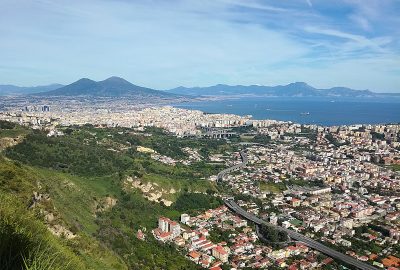
Naples is known for Mount Vesuvius, the volcanic enthusiasm of its people, the pages of Elena Ferrante and more recently, the films of the great director Paolo Sorrentino. The Neapolitan Jewish ...
A Jewish community established itself in Soragna when Jews were expelled from Parma in 1555 and from Piacenza in 1570. In front of the city’s castle, one can find the oratory dating from ...
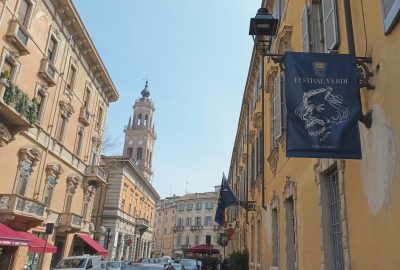
A famous inspiration for Stendhal, Parma is a city with a wealth of cultural institutions: museums, theatres and concert halls. It was also the regional birthplace of Verdi, who is celebrated ...
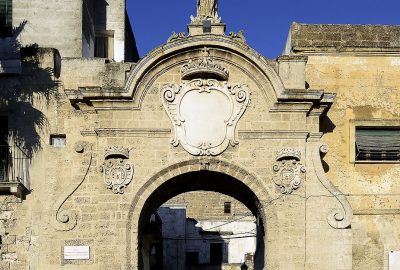
One of Oria’s gates, (or Porta Taranto) leads to the old giudecca of the city. The gate dates from the fifteenth century and bears a bronze mezuzah. There are no traces left of the Jewish ...
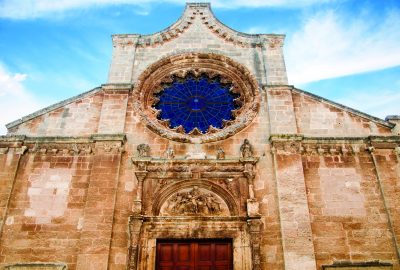
Historians believe – although the exact dates are still lacking – that there was a Jewish quarter in the small town of Manduria between the thirteenth and seventeenth centuries. It is ...

Lecce had one of the most prominent Jewish settlements in the Neapolitan kingdom before the expulsion of the Jews. Though there is no evidence of a Jewish presence prior to the 15th century, ...
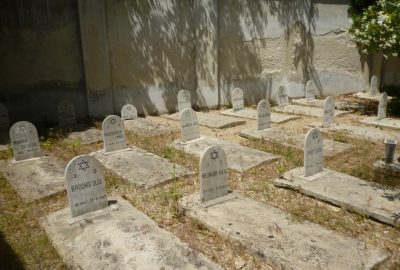
Unlike other cities in the region of Apulia, there are now very few traces of the Jewish presence in Bari, although we know that the community was very developed. The city was, in the 12th ...
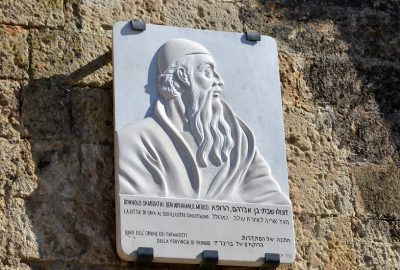
Thanks to its geographic position and the presence of Brindisi, Otranto, Bari, Trani and Barletta ports, Apulia has been a transit point for many Jewish exiles -most heading to Israel. This ...
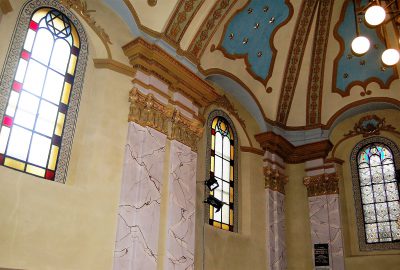
Rakovnik is located between Prague and Plzen; 32 miles west of Prague, and 30 miles northeast of Plzen. Jews are on record as living in Rakovnik since 1441. Between 1618 and 1621, three Jewish ...

Hermanuv Mestec is located in Bohemia, 56 miles south from Prague. The Jews began settling there in the fifteenth century, and the community reached its peak in the nineteenth century. The ...