Location
Bologna
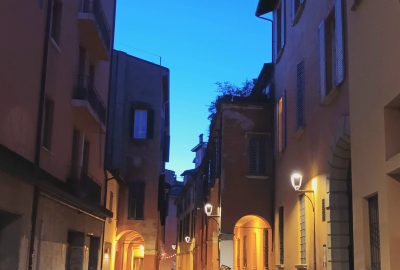
Bologna is famous for having been one of Europe’s leading cities in the Middle Ages. Thanks to its large population living within its walls, the wealth of local agriculture, the development ...
Bologna is famous for having been one of Europe’s leading cities in the Middle Ages. Thanks to its large population living within its walls, the wealth of local agriculture, the development ...
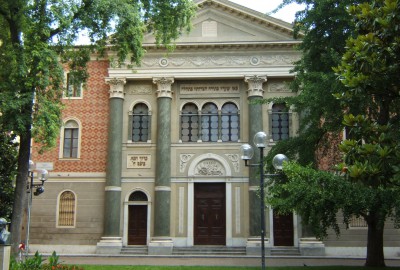
The rich region of Emilia-Romagna is definitely worth a week visit. Located on the south of the floodplain of the Po River, it includes cities like Bologna, home to a museum that is a model of ...
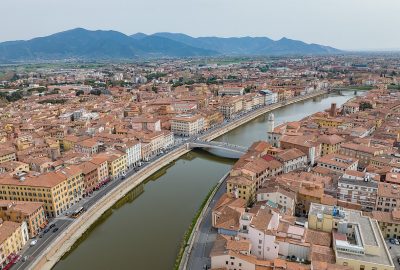
The Jewish presence in Pisa probably dates back to the 12th century, but could be older. Benjamin of Tudela described the city as follows: “All the inhabitants are courageous; no king or ...
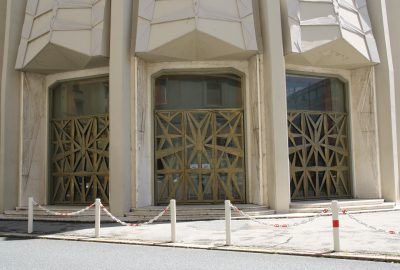
A visit to Livorno is required in the name of remembrance, even if the urban renewal projects of the early twentieth century around the port and the bombings of the Second World War in 1943-1944 ...

Siena’s ghetto was created at the same time as that of Florence in 1571. The large Jewish presence in the city is verified by documents from the beginning of the thirteenth century that ...
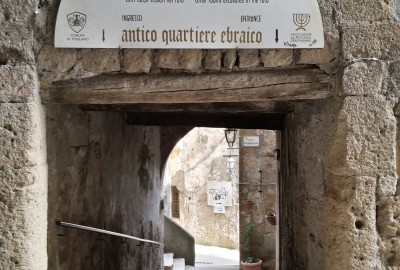
Located at the extreme south of Tuscany among the hills and cypresses, the borough of Pitigliano rises from a rocky pinnacle. Once called “little Jerusalem” by Tuscan Jews, the ...
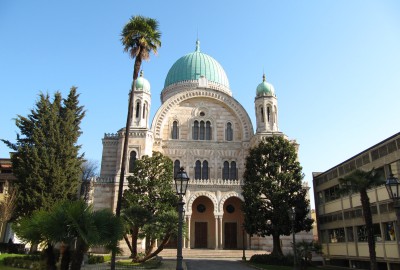
The former ghetto of Florence was located in the heart of the old city center near the market in a zone totally destroyed and the end of the twentieth century, situated today between Via ...
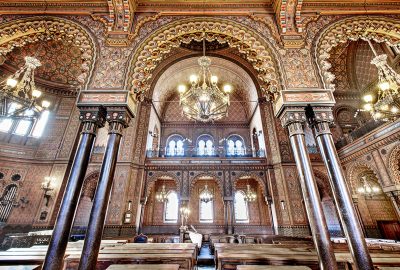
With cities like Livorno and Florence, Tuscany represents an important part of the history of Jewish life in Italy, although evidence of the longstanding Jewish presence here is less abundant ...

The Jews in the capital of Italy are perhaps the oldest Romans of all. They have settled in the same ancient neighborhoods in the heart of the Eternal City for 2000 years, making their homes in ...
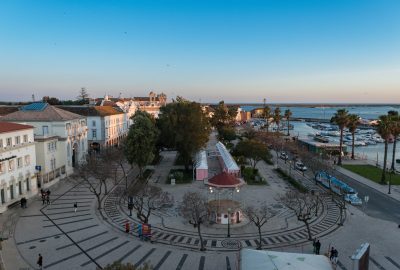
Capital of the Algarve region in southern Portugal, the city of Faro was home to a large Jewish community, expelled in 1497. A number of them continued to live there as conversos. Jews did not ...
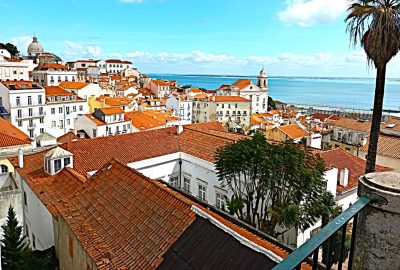
If Jews had to flee the city in the 16th century, Lisbon was also the city that welcomed Jews fleeing the Spanish Inquisition or the transit of Jews fleeing Nazism to the American continent. But ...
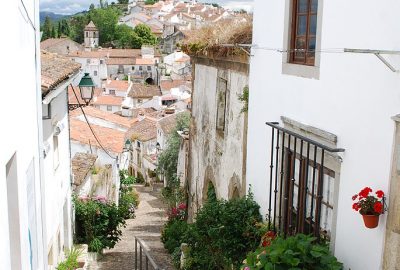
The Jews who lived within the walls of the little hilltop town of Castelo de Vide were engaged in the traditional activities of commerce, crafts, and sometimes medicine. The population grew after ...
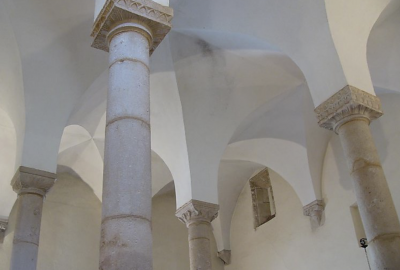
Although there was an organized community in Tomar at the turn of the fourteenth century, indicated by the inscription on the tombstone of Rabbi Joseph of Tomar, who died in Faro in 1315, it was ...
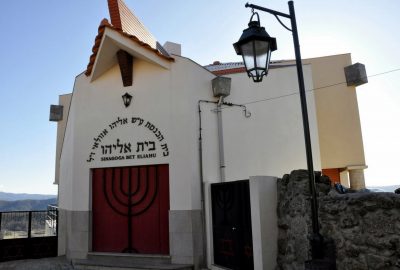
The little community of Belmonte of between 100 and 300 souls was “discovered” in 1920 by the engineer Samuel Schwarz. Its existence was revealed to the world by Frédéric ...
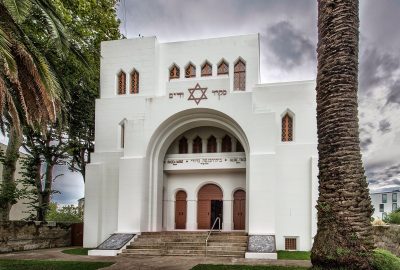
Porto is the capital of northern Portugal. It is the country’s second largest city after Lisbon. It is best known for its historic monuments and its wine. The Jewish presence dates back to ...

Seville’s Santa Cruz quarter, protected by the Alcazar, was formerly the city’s famous judería. If the English like to dine early compared to the French, they enjoy this meal at ...
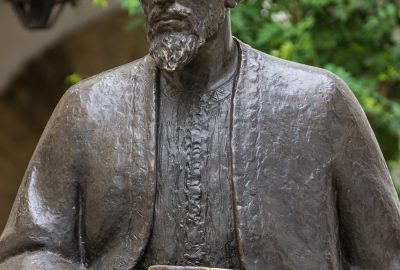
Homeland of Maimonides, Cordoba was under the Arab Caliphate of Abderahman III the greatest Andalusian juderia. Under the Muslim rule, the Jewish community lived in harmony with the conquerors, ...
Famed in the eleventh century for the influence of Talmudists such as Isaac ibn Gayata, Isaac Alfasi, and Joseph ibn Migas, who founded the so-called “Lucena School”, Lucena preserves ...
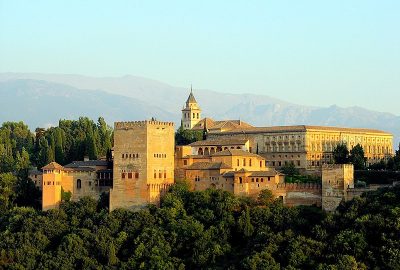
Granada’s splendor was at its apogee in the eleventh century, when Samuel ha-Nagid and his son Joseph were in charge of the kingdom. The large Jewish population exceeded 5,000 and reached ...
It is possible to date the presence of Jews in Andalusia to the Council of Elvira (303-09), when references were made to the need to separate Jews and Christians.
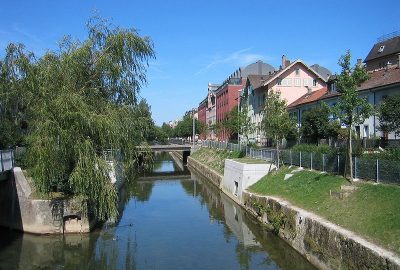
It was the clock-making industry that attracted Alsatian Jews to the Jura beginning in 1835. Among the great names in this industry was Achille Picard. From 1858 onwards, devout Jews met in a ...
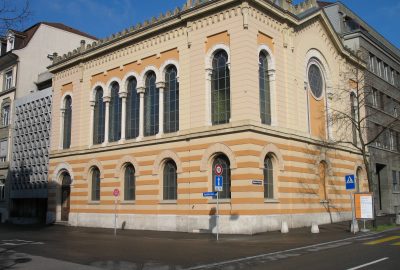
The Jewish presence in Bern probably dates from the 6th century. Jews are mentioned in the legal texts. During the Middle Ages, as in many other cities in the region, the situation of the Jews ...
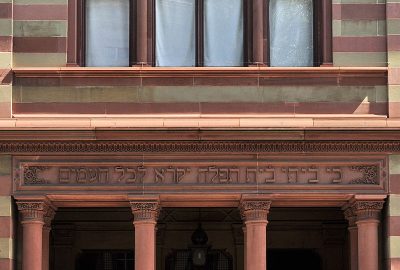
The Jewish presence in Zurich probably dates back to the 13th century. During the Middle Ages, as in many other cities in the region, the situation of the Jews varied between reception, ...
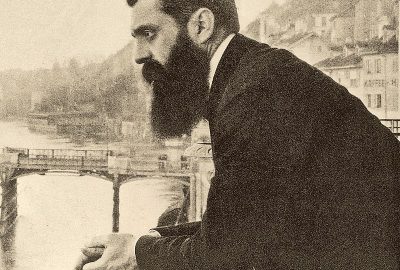
The Jewish presence in Basel probably dates from 1213. During the Middle Ages, as in many other cities in the region, the situation of the Jews varied between acceptance, persecution and ...
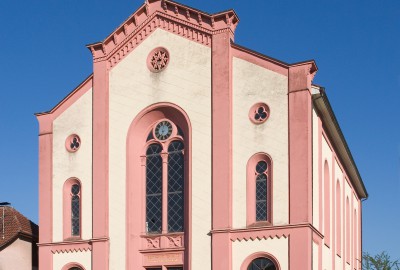
Until the end of the eighteenth century, the two villages of Endingen and Lengnau were the only ones that authorized the permanent establishment of Jews. Beginning in 1622, they resided here ...
German-speaking Switzerland covers two-thirds of the country and accounts for 70% of its population. With cities as varied as its economic centre Zurich, the capital Berne, the watchmaking city ...

Founded in 1833, the Jewish community of La Chaux-de-Fonds met in a flat on rue Jaquet-Droz. Then, in 1853, a private house was used as a synagogue. From 1872, a was used in the commune of Les ...
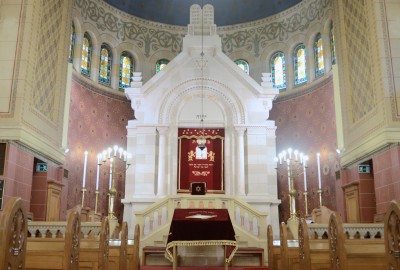
The Jewish presence in Lausanne is attested continuously from 1848 onwards, when several families met in a rented room. In 1895, the community had 41 members. In 1909, there were 110 members. It ...
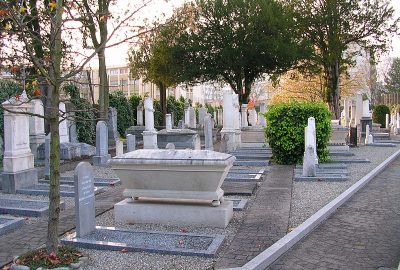
Before Jews were able to settle in Geneva, the neighboring city of Carouge (at the time part of the Kingdom of Sardinia) opened its doors to them around 1779. The sole remaining Jewish ...
Switzerland’s French-speaking population is located in the west, in a region that covers almost a quarter of the country’s surface area. With its charming little towns along the lakes ...