Location
Speyer
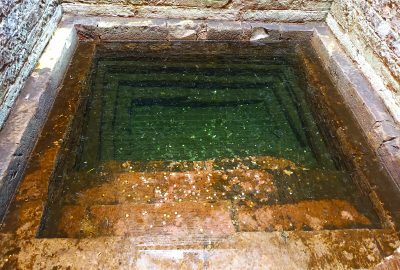
The history of the Jews in Speyer dates back more than 1,000 years. In the Middle Ages, the city of Speyer (formerly Spira) was home to one of the largest Jewish communities in the Holy Roman ...
The history of the Jews in Speyer dates back more than 1,000 years. In the Middle Ages, the city of Speyer (formerly Spira) was home to one of the largest Jewish communities in the Holy Roman ...
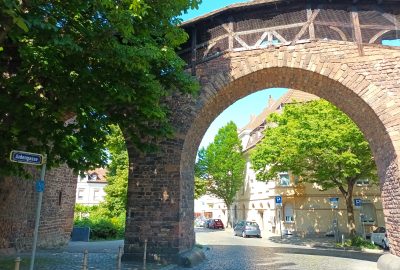
As the cultural and municipal services proudly point out, Worms has long been a central city for many religious movements. Thus, within a small area in the heart of its old town, you will find ...
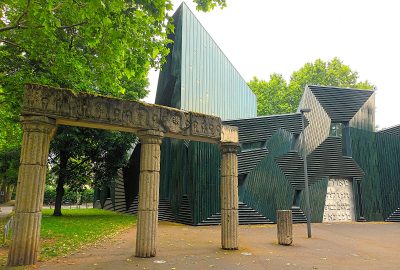
An ancient Roman city, Mainz is known for its university, museums and places of worship, its monuments including the Castle of the Electors, its popular festivals… But Mainz is above all ...

Like the opera house in the business district, Frankfurt is above all a city of encounters and fruitful exchanges in all fields and between different populations since the Middle Ages, but also a ...
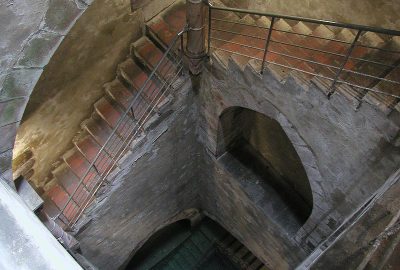
The small city of Friedberg possesses the deepest mikveh in Germany: seventy-two steps carved into the basalt lead the visitor to a natural spring situated eighty-two feet below the surface. At ...
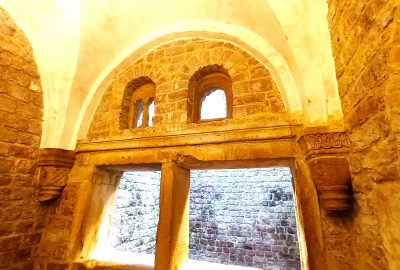
The oldest vestiges of a Jewish presence in Germany are found in the Rhineland. For a long time, the river constituted the western border of the Roman Empire. In the fortified cities of the ...

Once again the capital of a unified Germany, Berlin today has the largest Jewish community in the country (11 000 people). This is nonetheless far fewer than the some 170 000 Jews who lived here ...
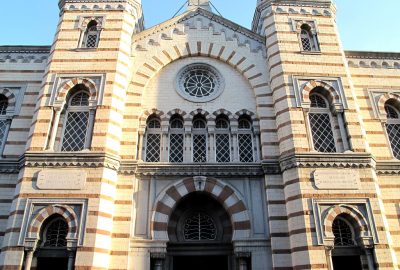
Liege is a city known, like Ghent, for its large university population, but also for its cathedral, its waffles, and its film makers, the Dardenne brothers. The Jewish presence in Liege seems to ...
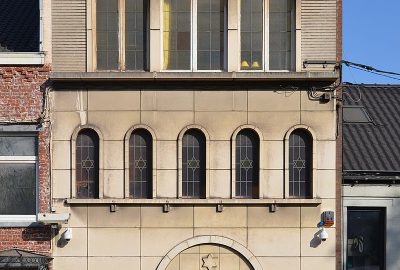
Charleroi is a city known for having been a very important coal basin, but also as an industrial centre. Since the decline of these industries, the city has invested heavily in cultural ...
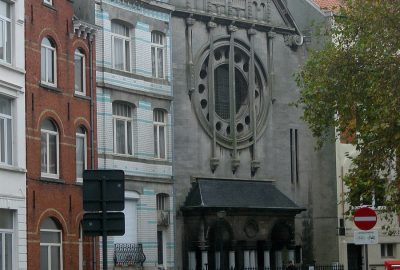
Ostend is a seaside town that has been very popular with British holidaymakers for centuries, as James Joyce, for example, testified. But also for the Belgian working class. The Ostend painter ...

The last real shtetl in western Europe, Antwerp is known for its Orthodox Jews and its diamonds industry. Barely twenty years ago, approximately 80% of Antwerp’s Jewish population used to ...
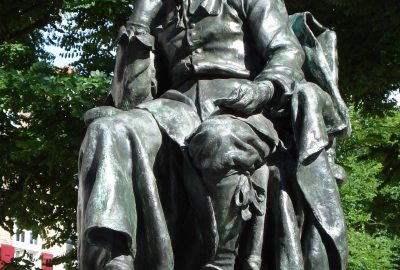
The monumental Ashkenazic Synagogue in The Hague was sold to the municipality, which put it at the disposal of a congregation of Turkish Muslims. It has since become the Al Aqsa Mosque. The ...
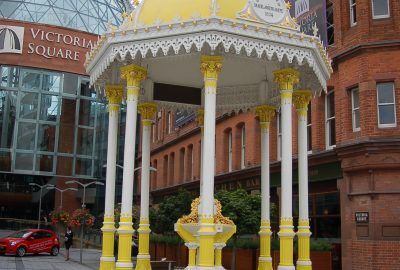
The Jewish presence in Belfast appears to date back to the mid-19th century, with the arrival of German Jewish merchants. The first synagogue in Belfast was built in 1871 on Great Victoria ...
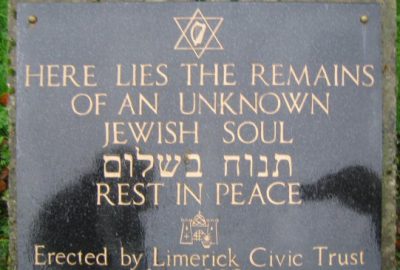
Limerick’s small Jewish community (170 people) disappeared in 1904 after the only pogrom in Irish history- a pogrom with zero victims. The small of Kilmurray at Newcastle, County Limerick, ...

The Jewish presence in Cork appears to date back to the 18th century. However, the community was formed mainly at the end of the 19th century, notably with the arrival of Lithuanian Jews. At the ...
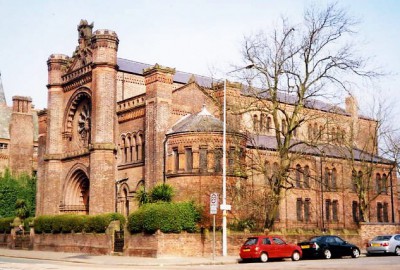
The Merseyside city of Liverpool, known for being the hometown of the Beatles and one of the most famous football teams, can proudly claim to have been home to northern England’s largest ...
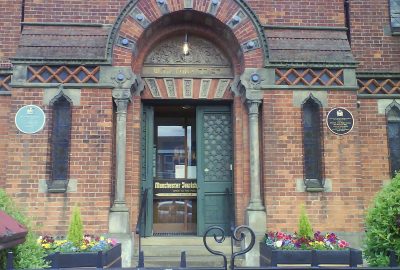
With 30,000 Jews, Manchester, known mostly for its 2 famous football teams, has the highest Jewish population in Great Britain after London. The Jewish presence in Manchester seems to date from ...
Oxford’s oldest synagogue was transformed into a tavern, then incorporated into one of the university’s oldest colleges, Christchurch. There is, however, a new synagogue. It was built ...
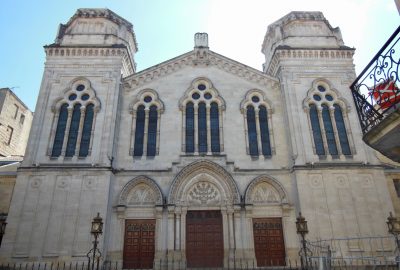
For three centuries, the cellars of tumbledown houses in the old town were home to a hidden Jewish community, that of the conversos who came here from Spain after 1474. Used to hiding their faith ...

On the day of tishah b’ab commemoration of the destruction of the Temple of Jerusalem, the old synagogue resounds to these words in Spanish: “Hemos perdido Sion pero tambien hemos ...

After many years of English domination, the southwest was returned to France in the fifteenth century, at the end of the Hundred Years War. In an effort to stimulate growth in this ravaged ...
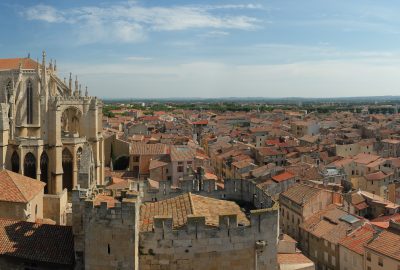
The (Musée d’Art et d’Histoire) in Narbonne has the oldest known inscription relating to the Jewish presence in France. It is an epitaph for the three children of Paragorus: Justus, ...

Occitanie is a very rich region geographically, thanks to its proximity to the Pyrenees and the Mediterranean, but it is also culturally rich. It brings together territories with very different ...

The Jewish presence has been attested in Béziers since Roman times, but the golden age of the Jews of Béziers is undoubtedly the classical Middle Ages, when the city was nicknamed the ...

It was around 1298 that the Jews settled in Pézenas, coming from Spain, Portugal and Italy. In the trade of clothes and cattle, they added the activity of the sale of wool and sheets. In 1332, a ...

The traveler Benjamin of Tudela visited Montpellier in 1165. In his travel diaries, he noted the existence of Batey midrashot kevouot le-Talmud in the city. In addition to these intellectual ...
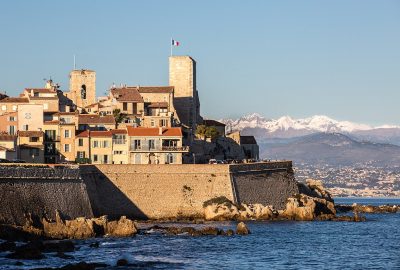
A seaside resort, Antibes is best known for its jazz festival. The Jewish community of Antibes-Juan-les-Pins was created in the 1960s, following the arrival of Jews from North Africa. The was ...
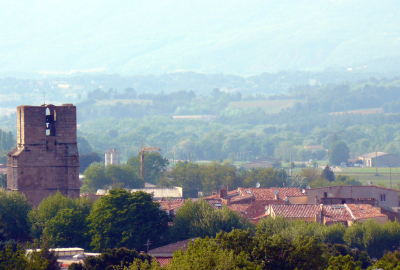
An important village in the Middle Ages -it has a studium papale– Trets had a Jewish community that lived in the present-day rue Paul Bert, known in those days as the carriera judaica or ...
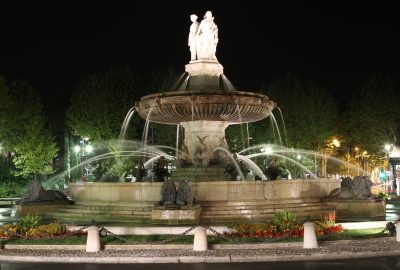
The census ordered in 1341 by Robert, count of Provence, gave the Jewish population of Aix at the times as 1205, representing the 203 families grouped together in the Jewish quarter. In her book ...
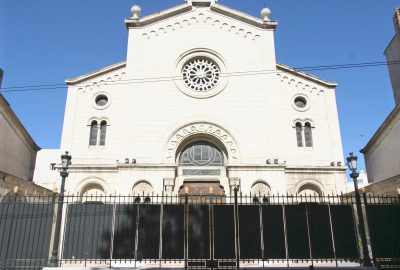
The Jewish presence in Marseille dates back at least to the 6th century as is attested by Grégoire de Tours, but probably dates back to the Roman Empire. One of their main commercial activities ...