European Days of Jewish Culture and Heritage
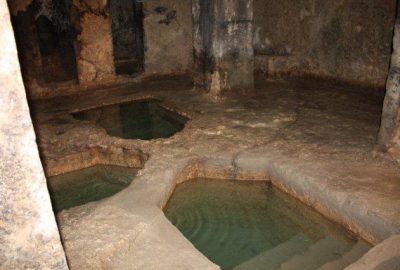
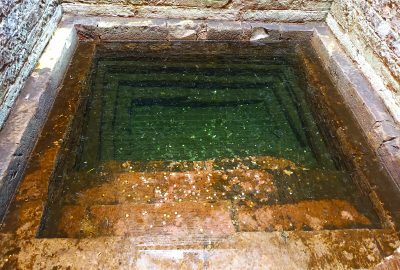
September 1, 10am at the Institut Maïmonide As part of these European days, there will be a visit to the medieval Mikveh in Montpellier (10am), followed by a tour of the medieval Jewish Quarter, ...
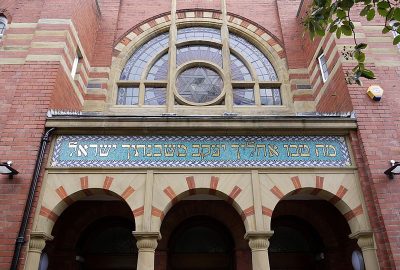
The Jewish presence in Newcastle probably dates from the Middle Ages. In 1234, Jews were expelled from the city. Some returned or first settled in Newcastle but it was not until the 19th century ...
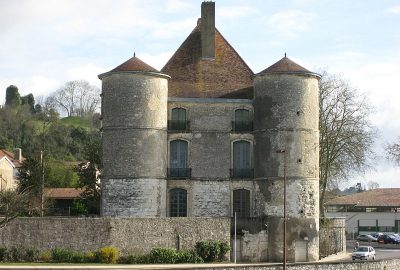
The town of Peyrehorade welcomed Marranos in the 16th century. Following the acquisition of land in 1628 from the Lords of Aspremont for a , these descendants of Portuguese merchants settled in a ...
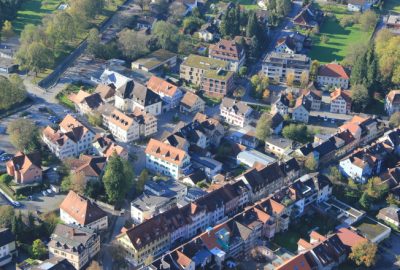
The city of Hohenems is located in the Vorarlberg region. In 1617, a ducal charter of privileges put a dozen Jewish families who had fled to Hohenems from Burgau on an equal footing with the ...
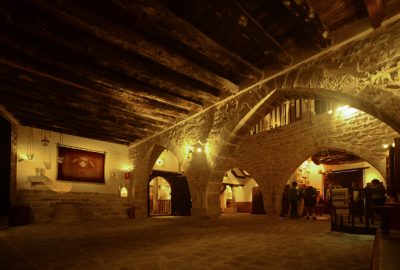
Located an hour drive from Jaen, Úbeda’s story is similar to the one of the Jewish community in Jaen. But since the accidental discovery of -maybe the most ancient synagogue in the country- ...
The presence of a Jewish community in Jaen is first recorded in 612, when a king’s edict forbade Jews to own Christian slaves. If the Jewish population reached its peak during the seventh ...
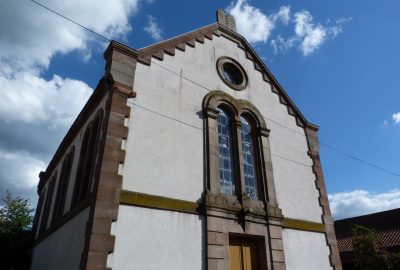
The Jewish presence in Hochfelden seems to date from the 16th century. Built in 1841 and a historical monument since 1996, the of Hochfelden is a classic example of Alsatian synagogue ...
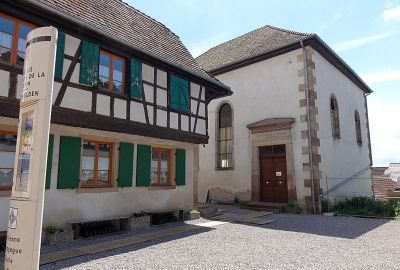
The Jewish presence in Diemeringen seems to date from the 17th century. Only 14 Jewish families lived there on the eve of the French Revolution. The community of Diemeringen was organized – ...
There is proof of a Jewish community in the Middle Ages in Sicily, particularly in the towns of Palermo, Messina, Taormina and Syracuse. This prosperous community was mainly in activities of ...
The Jewish community of Voivodina’s capital was, until World War II, one of the most prosperous in all Yugoslavia. Present since the city was founded in the late seventeenth century and ...
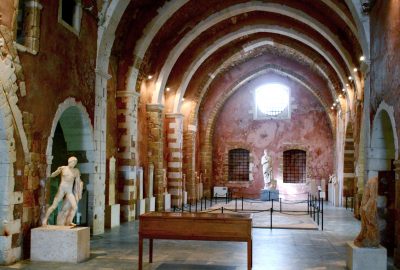
The oldest synagogue in Canea, , lives again after a half century of neglect. Raised from its ruins by Nicholas Stavroulakis, former director and founder of the Jewish Museum of Athens, it was ...
Visiting the site in Delos is quite easy throughout the summer, the island being accessible by boat from nearby Mykonos. If one place attests to the presence of a Jewish community in Ancient ...
Lying atop a hill dominating the Bosporus to the north of the Golden Horn, the “European city” of Pera grew up in the middle of the nineteenth century. A place where earlier one could ...
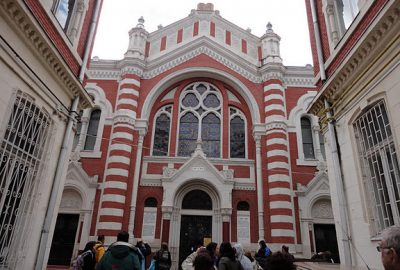
At the foot of huge Postavarul Mountain and the Poiana Brasov ski station, Brasoc unquestionably remains Transylvania’s most fascinating city, with its citadel, ramparts, and medieval ...
An important city in eastern Poland, Lublin has preserved a very picturesque old quarter that offers a glimpse of what life was like here in the seventeenth century, with a city hall in the ...
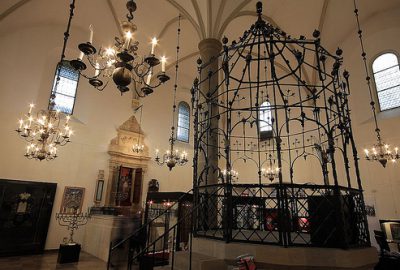
In 1335, King Casimir the Great founded an independent city near Kraków, Kazimierz, in which he permitted Jews to settle around Sukiernikow (Clothier) Street (now called Jozefa Street), next to ...
In the village of Drevikov, roughly sixty miles southeast of Prague, it is possible to see how Jews lived in the villages of Bohemia at the end of the nineteenth century, before their ...
The capital of eastern Slovakia, Kosice is a large industrial city of 250000 inhabitants. Its sizable Jewish community was almost totally annihilated during the Second World War. The city os now ...
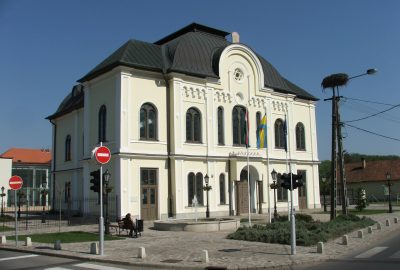
In the seventeenth century, the Jews of Galicia and Silesia (modern-day Poland and Ukraine) were drawn to this region by trade in tokaj, a syrupy, amber-tinted wine very popular at the courts of ...
Documents attest to a Jewish presence in Pesaro dating back to 1214. The expulsion of the Jews from the papal states in 1569 led numerous Jewish families to Pesaro, which became the most ...
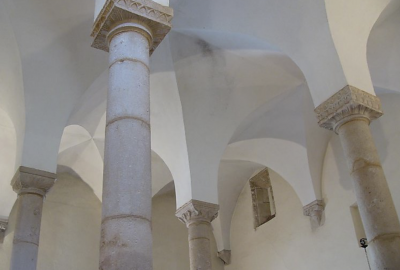
Although there was an organized community in Tomar at the turn of the fourteenth century, indicated by the inscription on the tombstone of Rabbi Joseph of Tomar, who died in Faro in 1315, it was ...
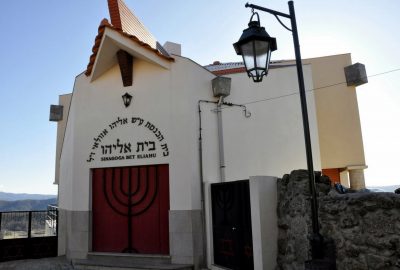
The little community of Belmonte of between 100 and 300 souls was “discovered” in 1920 by the engineer Samuel Schwarz. Its existence was revealed to the world by Frédéric ...
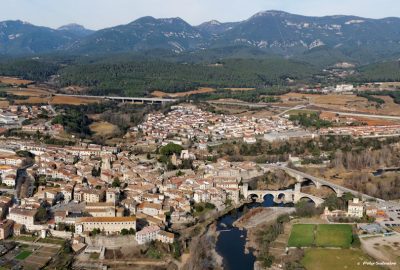
The presence of Jews in Besalú is attested in a document from 1229 in which Jaume I the Conqueror reserves to them the function of moneylender. In 1342, the community, hitherto linked to the one ...
The history of the Jews in Speyer dates back more than 1,000 years. In the Middle Ages, the city of Speyer (formerly Spira) was home to one of the largest Jewish communities in the Holy Roman ...
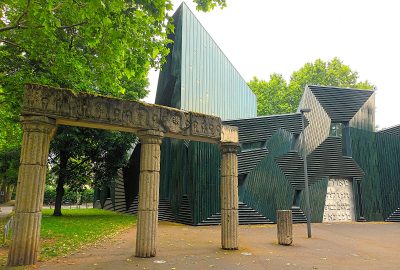
An ancient Roman city, Mainz is known for its university, museums and places of worship, its monuments including the Castle of the Electors, its popular festivals… But Mainz is above all ...
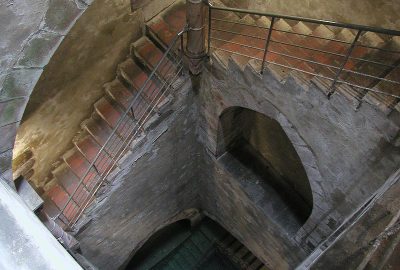
The small city of Friedberg possesses the deepest mikveh in Germany: seventy-two steps carved into the basalt lead the visitor to a natural spring situated eighty-two feet below the surface. At ...
It was around 1298 that the Jews settled in Pézenas, coming from Spain, Portugal and Italy. In the trade of clothes and cattle, they added the activity of the sale of wool and sheets. In 1332, a ...
The traveler Benjamin of Tudela visited Montpellier in 1165. In his travel diaries, he noted the existence of Batey midrashot kevouot le-Talmud in the city. In addition to these intellectual ...
The Jewish presence in Cavaillon goes back to at least the thirteenth century. The Jews lived on rue Hébraïque, which became their obligatory residence in 1453 and has changed very little since. ...
In this suburb of Strasbourg, one can see a fine eighteenth-century mikvah. A room dedicated to Davis Sintzheim (the first Grand Rabbi of France and director of the Talmudic school ...