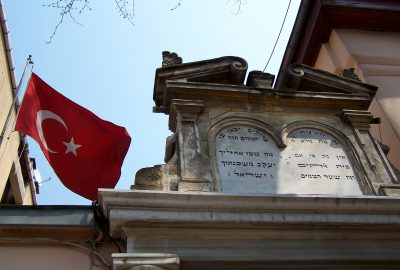
Location
Istanbul and Surrounding Areas
Sumptuous and decadent, immense and frenetic, Istanbul is “the world in one city”, as it is often described by Western travelers overwhelmed by the city’s splendor. The skyline ...
Sumptuous and decadent, immense and frenetic, Istanbul is “the world in one city”, as it is often described by Western travelers overwhelmed by the city’s splendor. The skyline ...

Jews reached Sofia during the first centuries C.E., the era of Roman domination. Ashkenazic Jews emigrating from Hungary and Bavaria were joined in the fifteenth century by Sephardic Jews fleeing ...
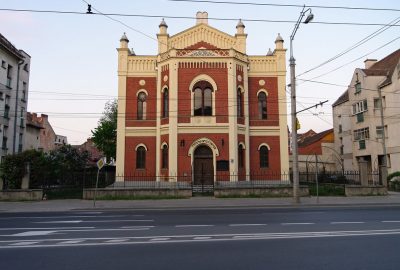
The Jewish presence in Sibiu probably dates back to the 15th century, when merchants worked with the city’s residents. However, it wasn’t until the middle of the 19th century that ...
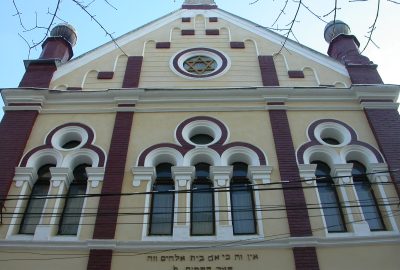
At the northern border of Transylvania lies Sighet Marmatiei, unquestionably the region’s most original and charming little city, where Romanian, Hungarian, Roma and Ruthenian ...
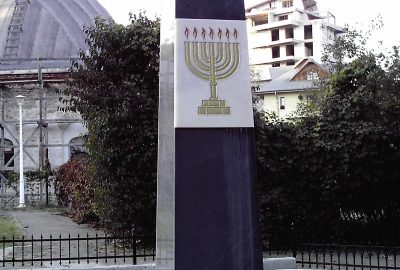
The city of lasi, Moldavia’s capital since the sixteenth century, is surrounded by little towns of pastel-colored houses and whitewashed, thatched cottages. Long ago, places like Bivolari, ...
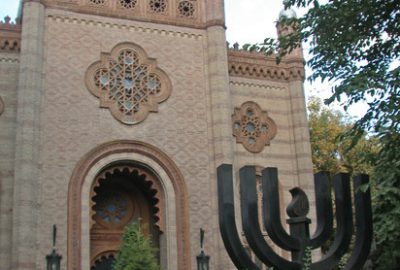
Jewish Bucharest has almost completely disappeared. Of a population estimated at 158,000 souls in 1948, there remain only 2,000 people today. Living across the four corners of the capital, they ...
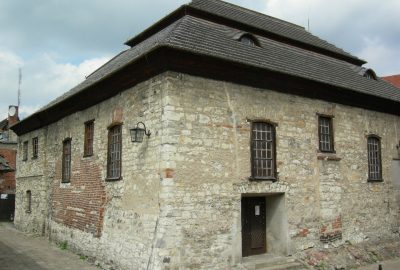
If one stop along the road from Lublin to Warsaw is a must, it is in the city of Kazimierz Dolny on the Vistula, first because it is a tourist city, with old houses, a magnificent rynek lined ...
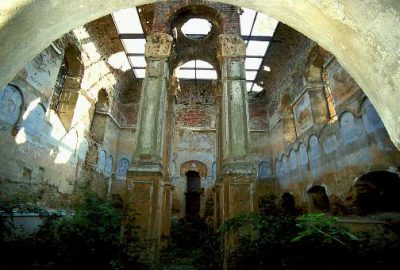
Jews settled in Rymanów so long ago that there exists no document mentioning their arrival. In the fifteenth and sixteenth centuries, the inhabitants of the city lived mainly from the cultivation ...
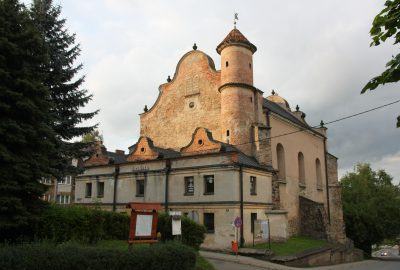
The small city of Lesko possesses one of the most beautiful fortified synagogues in the region, built in the sixteenth and seventeenth centuries, with a turret that gives it the look of a little ...
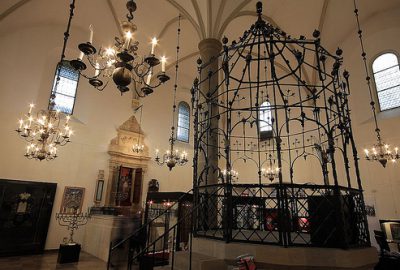
In 1335, King Casimir the Great founded an independent city near Kraków, Kazimierz, in which he permitted Jews to settle around Sukiernikow (Clothier) Street (now called Jozefa Street), next to ...
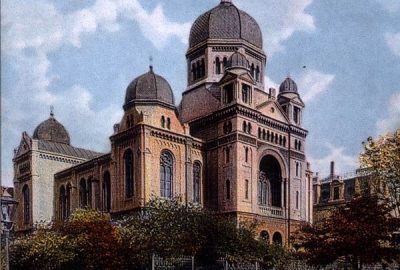
Lodz is a large Polish industrial city where a significant Jewish working class, along with merchants and rich industrialists, were concentrated in the nineteenth century. A fine representation ...
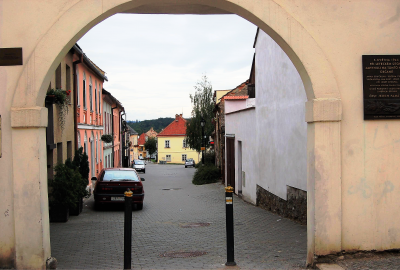
Boskovice is located nineteen miles north of Brno. This large center of Jewish culture and study of the Torah was for many years the headquarters of the chief Rabbinate of Moravia. The ...
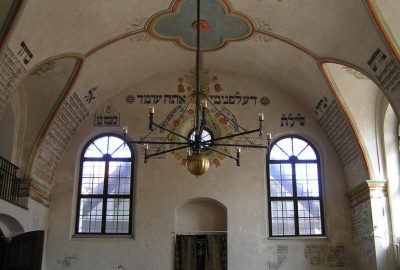
The city of Trebíc is located thirty-one miles north of Brno on the other side of the Jihlava River. Its Jewish quarter, near the city center, was one of the largest in the country: in the ...
The large village of Roudnice nad Labem twenty-five miles from Prague was one of the first small centers of Judaism in Bohemia and merits a brief visit. The oldest Jewish quarter, destroyed ...

Plzen is the principal center and beer capital of western Bohemia. The Jews were expelled from the city in 1504 and not permitted to return for more than two centuries. Following the industrial ...
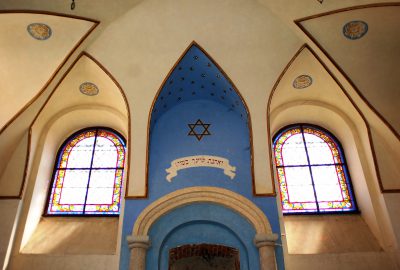
In Breznice in western Bohemia one can still see the former Jewish quarter created in 1570 by the local lord, Ferdinand of Loksany, and enlarged a century and a half later. The two streets ...
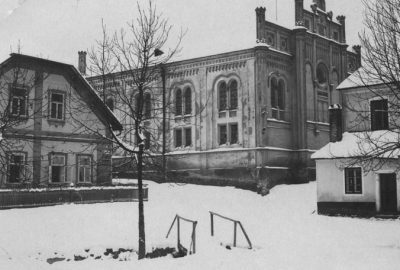
The small town of Golcuv Jenikov near Caslav had a significant Jewish quarter of some fifty homes to the south of the town’s central square. Most have kept their original appearance. ...
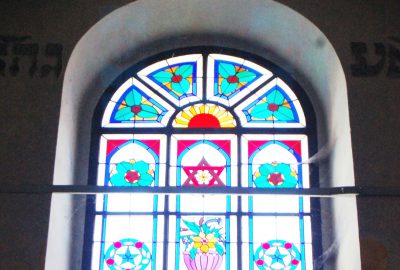
The city of Kolín, one of the most important places of Jewish remembrance in the Czech lands, is worth a trip to see the small streets of the Jewish quarter and the magnificent cemetery. Overrun ...
In the village of Drevikov, roughly sixty miles southeast of Prague, it is possible to see how Jews lived in the villages of Bohemia at the end of the nineteenth century, before their ...
Approximately thirty miles northeast of Presov, the small city of Stropkov had one of the largest Jewish communities in the region and was an important center of Judaism. Many of its Jews ...
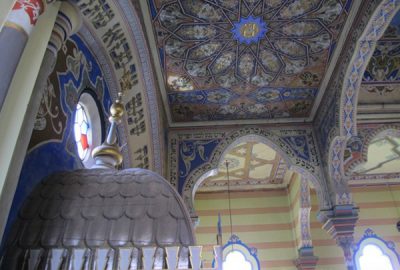
Not far from Kosice, Presov was also an important center of Jewish life. More than 6,000 Jews from the city and surrounding villages were killed during the war. Today fewer than 100 Jews live ...
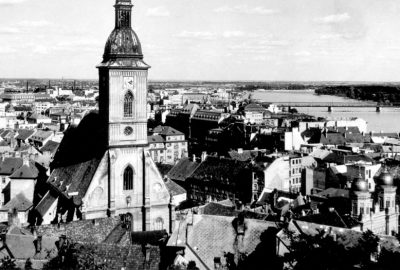
Bratislava, capital of Slovakia and a large city of more than 500,000 inhabitants, is located on the banks of the Danube River, not far from the Hungarian and Austrian borders. Although Jews may ...
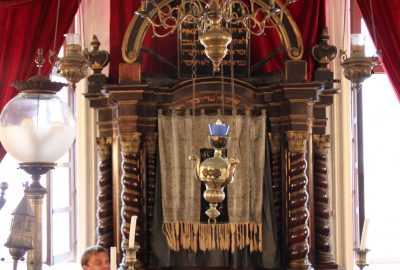
The several hundred Spanish Jews who arrived on the shores of the Adriatic had a key role for centuries in the development of these coastal principalities, and contributed greatly to their growth ...
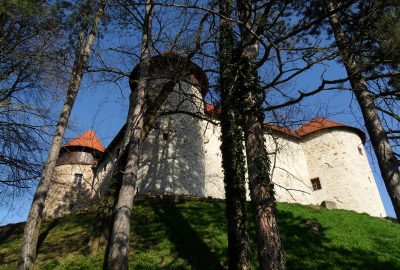
The Jewish presence in Karlovac probably dates back to the mid-19th century. A synagogue was built in Karlovac in 1870. It served the community until 1960, when it was destroyed. A commemorative ...
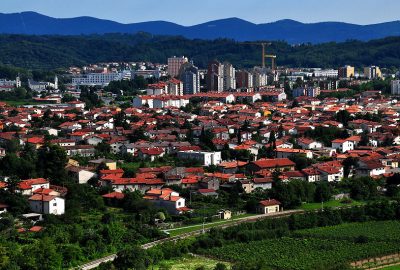
Nova Gorica was divided between Italy and Slovenia after the Second World War. It is on the Italian (Gorizia) side that one should look for major evidence of a past Jewish presence. In the ...
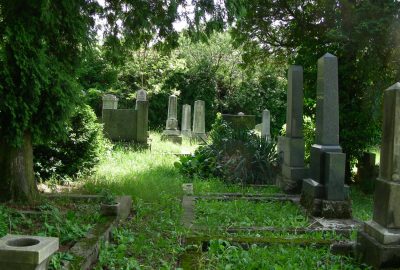
The Lendava city council is working to renovate the old synagogue, built in 1866, and turn it into a cultural center featuring a permanent exhibition on local Jewish history. Seriously damaged by ...
The Jewish cemetery of Murska Sobota no longer exists; it was demolished in the 1990s. The site features, however, a small monument erected in memory of the city’s Jews murdered during the ...
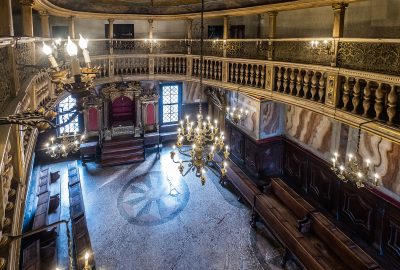
On 20 March 1516, Zaccaria Dolfin, an influential Venetian patrician, announced a radical turn in the history of the Jew of the Serenissima: “It is necessary to send all the Jews (zudei) to ...

In the fourteenth century, Padua was one of the great centers of medieval Judaism, with a celebrated rabbinical academy where students from all over Europe came to study. These students were also ...

Siena’s ghetto was created at the same time as that of Florence in 1571. The large Jewish presence in the city is verified by documents from the beginning of the thirteenth century that ...