Location
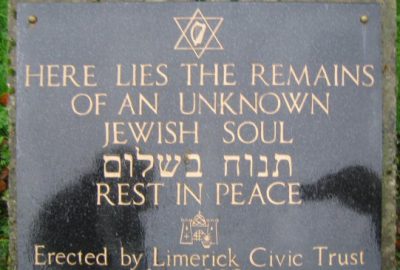
Limerick
Limerick’s small Jewish community (170 people) disappeared in 1904 after the only pogrom in Irish history- a pogrom with zero victims. The small of Kilmurray at Newcastle, County Limerick, ...
Limerick’s small Jewish community (170 people) disappeared in 1904 after the only pogrom in Irish history- a pogrom with zero victims. The small of Kilmurray at Newcastle, County Limerick, ...
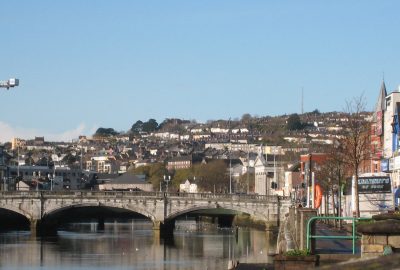
The Jewish presence in Cork appears to date back to the 18th century. However, the community was formed mainly at the end of the 19th century, notably with the arrival of Lithuanian Jews. At the ...
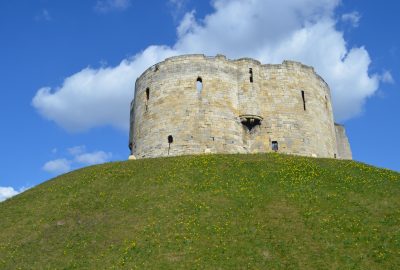
York’s Jewish community was the victim of the bloodiest outbreaks of anti-semitism in the twelfth century. In those days the Jews were well-established alongside the merchant classes, to ...
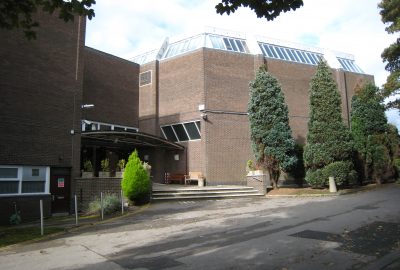
In recent years, Leeds, one of the main economic centres in England after London and a place with a rich cultural life, has attracted many families, also thanks to a pleasant lifestyle that is ...
Oxford’s oldest synagogue was transformed into a tavern, then incorporated into one of the university’s oldest colleges, Christchurch. There is, however, a new synagogue. It was built ...
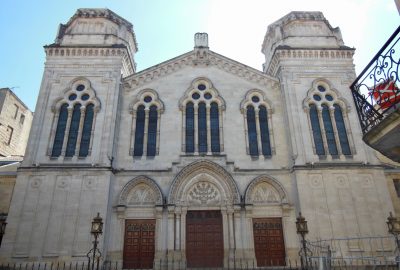
For three centuries, the cellars of tumbledown houses in the old town were home to a hidden Jewish community, that of the conversos who came here from Spain after 1474. Used to hiding their faith ...
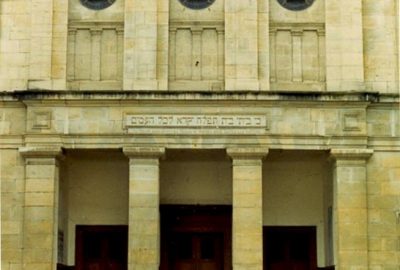
On the day of tishah b’ab commemoration of the destruction of the Temple of Jerusalem, the old synagogue resounds to these words in Spanish: “Hemos perdido Sion pero tambien hemos ...

After many years of English domination, the southwest was returned to France in the fifteenth century, at the end of the Hundred Years War. In an effort to stimulate growth in this ravaged ...
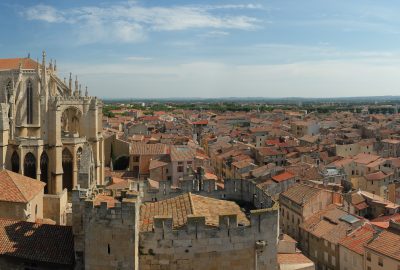
The (Musée d’Art et d’Histoire) in Narbonne has the oldest known inscription relating to the Jewish presence in France. It is an epitaph for the three children of Paragorus: Justus, ...

Occitanie is a very rich region geographically, thanks to its proximity to the Pyrenees and the Mediterranean, but it is also culturally rich. It brings together territories with very different ...

The Jewish presence has been attested in Béziers since Roman times, but the golden age of the Jews of Béziers is undoubtedly the classical Middle Ages, when the city was nicknamed the ...

It was around 1298 that the Jews settled in Pézenas, coming from Spain, Portugal and Italy. In the trade of clothes and cattle, they added the activity of the sale of wool and sheets. In 1332, a ...

The traveler Benjamin of Tudela visited Montpellier in 1165. In his travel diaries, he noted the existence of Batey midrashot kevouot le-Talmud in the city. In addition to these intellectual ...
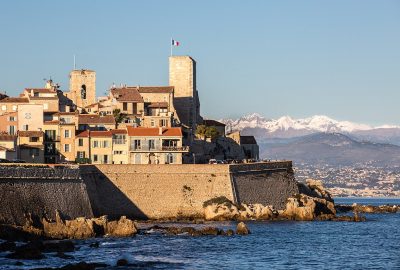
A seaside resort, Antibes is best known for its jazz festival. The Jewish community of Antibes-Juan-les-Pins was created in the 1960s, following the arrival of Jews from North Africa. The was ...
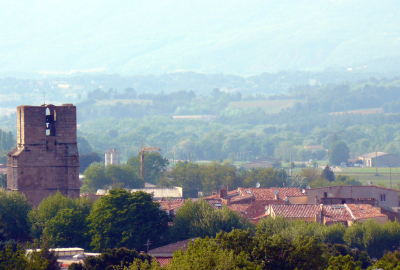
An important village in the Middle Ages -it has a studium papale– Trets had a Jewish community that lived in the present-day rue Paul Bert, known in those days as the carriera judaica or ...
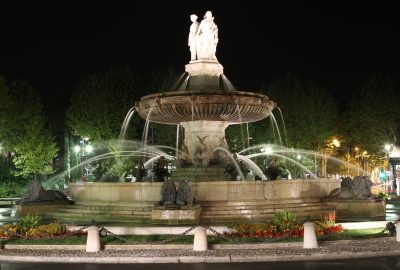
The census ordered in 1341 by Robert, count of Provence, gave the Jewish population of Aix at the times as 1205, representing the 203 families grouped together in the Jewish quarter. In her book ...
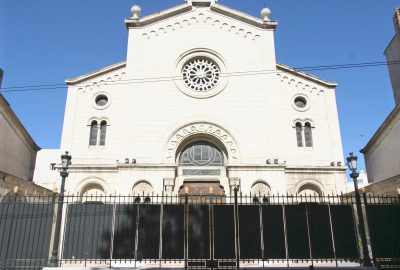
The Jewish presence in Marseille dates back at least to the 6th century as is attested by Grégoire de Tours, but probably dates back to the Roman Empire. One of their main commercial activities ...
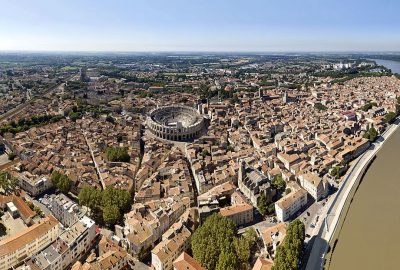
The medieval rue des Juifs is the present-day . As in Aix-en-Provence, the Jewish quarter was totally transformed and integrated into the town after the expulsion of the Jews from Arles in 1493. ...
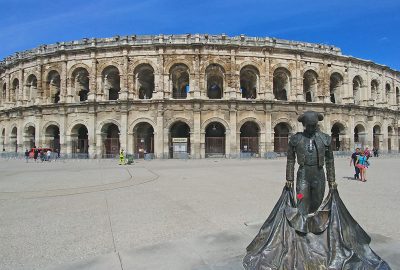
The Archaeological Museum (Musée Archéologique) possesses a funerary inscription stating “This is the sepulcher of the venerated sage Isaac”. has copies of three funerary inscriptions ...
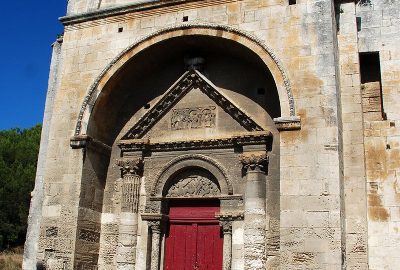
The only remaining trace of Tarascon’s Jewish community, which was large in the Middle Ages, is with its gray-fronted houses. Some of the houses have been restored. Not far from ...
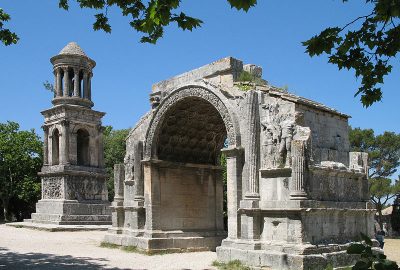
The Jewish cemetery is not far from the Saint Paul de Mausol monastery. Most of the tombstones date from the nineteenth century, although this was also the site of the medieval cemetery. The ...
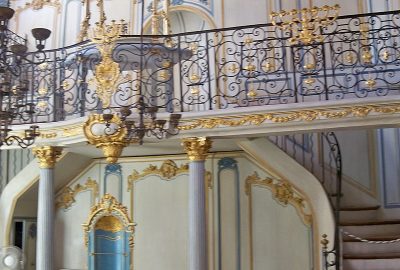
The Jewish presence in Cavaillon goes back to at least the thirteenth century. The Jews lived on rue Hébraïque, which became their obligatory residence in 1453 and has changed very little since. ...
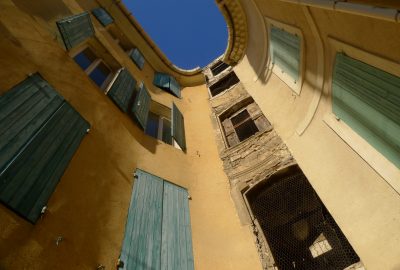
The Jewish presence in L’Isle-sur-la-Sorgue is attested from 1278 onwards and most probably dates from much earlier. Several families lived in the Villefranche district, where the is ...
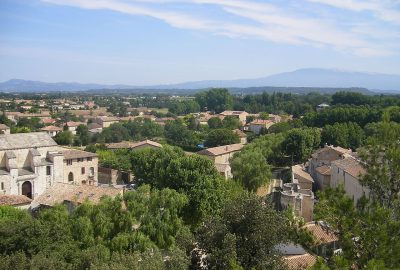
Pernes-les-Fontaines remained the capital of Comtat Venaissin until Pope John XXII bought back the rights over Carpentras from its bishop. Two elements reveal the Jewish presence in this town: ...
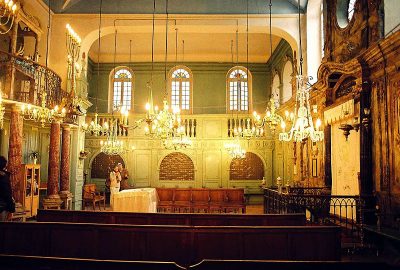
Carpentras had a Jewish population when it was yielded to the papacy by the king of France in 1274. In the fourteenth century, the Jewish quarter on rue Fournaque, near the town walls, was home ...

The first attestation of a Jewish presence in Avignon dates from the fourth century. It is a seal representing a five-branch menorah and bearing the inscription avinionensis. Jewish commercial ...

The term Provintçia in the Hebrew sources corresponds roughly to Provence and Languedoc. In the history of France’s Jews, this region is notable for the outstanding figures and works that ...

The Jewish community in the historical capital of the Gauls and, for historians, capital of the French Resistance, has now regained an undeniable dynamism. There are many notable sites ...
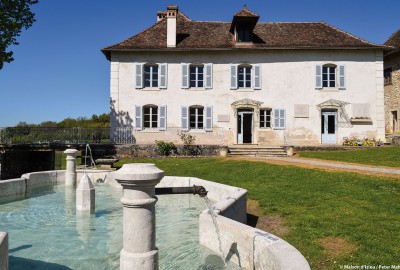
Jews lived in Roman Lugdunum but disappeared from Lyon because of the expulsions. It was only under the reign of Louis XV that a community was re-created with immigrants from Comtat Venaissin and ...

The Jewish presence in Hégenheim seems to date back at least to the 17th century. 14 Jewish families were counted in 1689. Jewish life developed there, the community growing to more than 400 ...