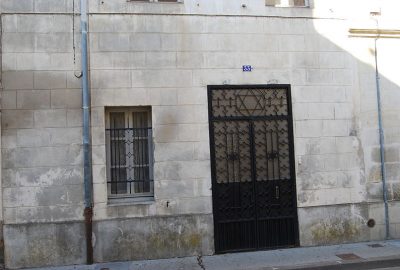
Location
Libourne
The Jewish presence in Libourne seems to date at least from the 16th century, and was authenticated when the existence of a prayer room was mentioned in the rue de Périgueux in the 18th century. ...
The Jewish presence in Libourne seems to date at least from the 16th century, and was authenticated when the existence of a prayer room was mentioned in the rue de Périgueux in the 18th century. ...
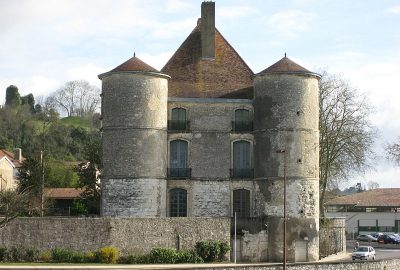
The town of Peyrehorade welcomed Marranos in the 16th century. Following the acquisition of land in 1628 from the Lords of Aspremont for a , these descendants of Portuguese merchants settled in a ...
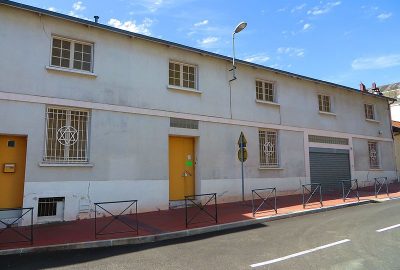
The presence of Limoges Jews seems to date back at least to the 10th century, when persecutions are mentioned in texts from that period, including those of the author Adhémar de Chabannes. Among ...
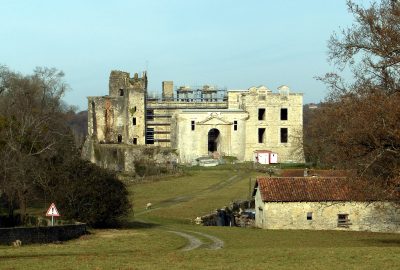
The Jewish presence in Bidache seems to date from the 17th century with the arrival of Marranos from Spain and Portugal. They benefited from the protection of the Duke of Gramont. Although there ...
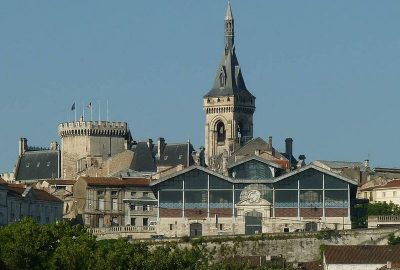
The Jewish presence in Angoulême dates from at least the 13th century. A letter from the Pope in 1236 to the bishop of Angoulême attests to the violence suffered by the Jews during the Crusades. ...
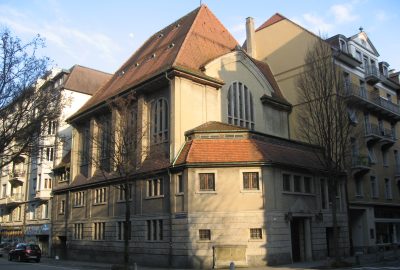
The Jewish presence in Lucerne probably dates from the 13th century. During the Middle Ages, as in many other towns in the region, the situation of the Jews varied between welcome, persecution ...
The Jewish presence in Fribourg probably dates from the 13th century. Jews were present in the Fribourg region, whether in Murten, Châtel-Saint-Denis or Romont. During the Middle Ages, as in many ...

The East was home to both the city’s underprivileged social classes, victims of gentrification in other districts, and refugees from the continental conflicts of the 20th century: ...
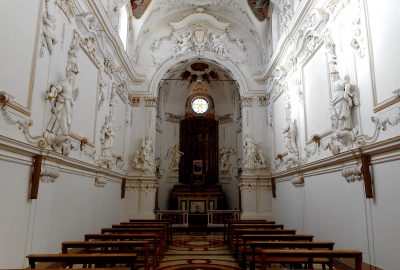
The Jewish presence in Palermo dates back to Roman times. Documents found in the Genizah of Cairo attest to their presence in the Middle Ages. Some of them arrived as slaves during the period of ...

The Jewish presence in Catania seems to date from at least the 4th century, as attested by a tomb from 383. During the Middle Ages, there were two Jewish quarters in the city, each with a ...

A tomb found in the city of Agrigento attests to the Jewish presence since antiquity. Letters found in the Genizah of Cairo mention this presence in the 11th century. In the Middle Ages, Jews ...
The Jewish presence in Sicily seems to date back at least two thousand years. Some archaeological traces and the lives of personalities of the time, such as the historian Caecilius of Calacte, ...

The Jewish presence in the city of Cremona dates back to at least the 13th century. The Jews were allowed to settle there and not to be limited to small professional activities. Thus, they also ...
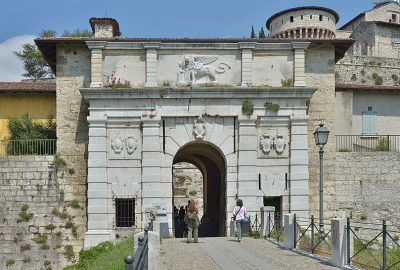
The Jewish presence in the city of Brescia seems to be quite old. Throughout the 15th century, they were alternately welcomed and expelled according to political and religious directives. Among ...
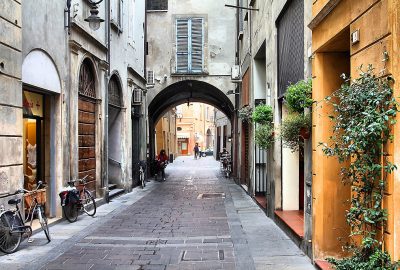
The Jewish presence in Reggio Emilia probably dates from the beginning of the 15th century. They benefited from the rather welcoming attitude of the local authorities. As the Duchies of Modena ...

The Jewish presence in the town of Ravenna seems to date back to the 3rd century. Settling mainly at the end of the Middle Ages, the Jews practised the trades of wine merchants and goldsmiths. ...
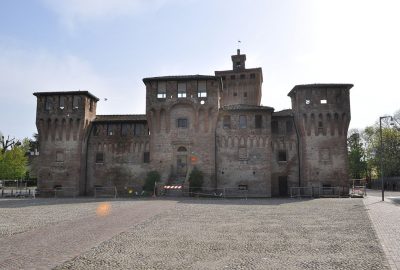
As in many cities in the region, the Jewish presence developed in the late Middle Ages. Their presence in commercial and cultural circles grew relatively according to the policy applied to them ...
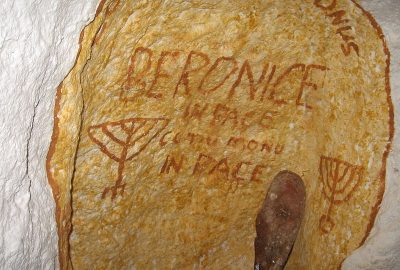
This small island located in the south of Sardinia is the home of which date back to Roman times. Among them, some have Hebrew inscriptions as was discovered by archaeologists in the area, or ...
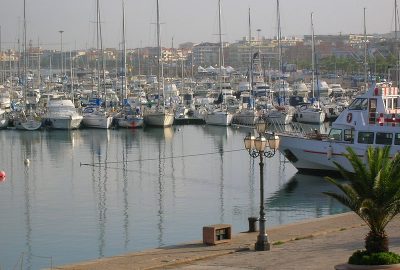
During the conquest of Sardinia by Peter IV of Aragon in the 14th century, Jews were part of the contingent of soldiers. Following the conquest, some settled there, joined in 1370 by Jewish ...
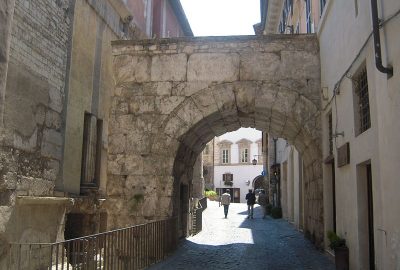
The Jewish presence in this city located in the Ubria region in central Italy seems to date at least from the end of the 13th century. During the next century, they enjoyed equal citizenship ...

A local law dating from 1279 ordering the expulsion of the Jews from the city attests to their presence in this century in Perugia. A manuscript written in Hebrew from 1414 has been found, ...
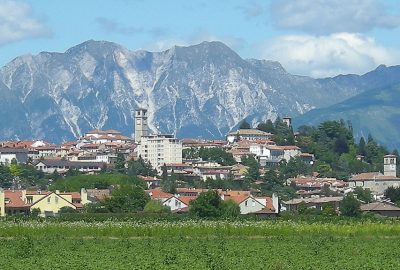
Administrative documents attesting to the Jewish presence since at least the 16th century. Texts referring to Jewish bankers and doctors working in the city. Over time, these professions ...

The Jewish presence in this city is attested since at least the 1st century BC on the epitaph concerning one of its inhabitants. Archaeological excavations carried out in the region have ...
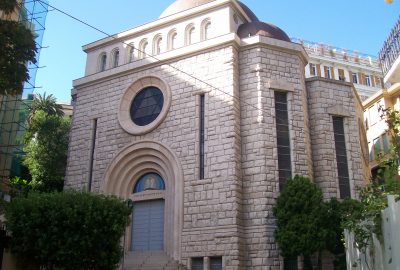
The Genoese Jewish presence seems to date back to at least the 6th century, when Theodoric authorized the community to renovate a synagogue there, which was destroyed during actions by hostile ...
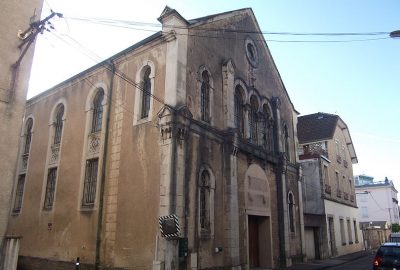
While the presence of Vesulian Jews has been documented since the 13th century, a community was formed there notably thanks to the synagogue located on the Grande-Rue. About fifteen Jewish ...
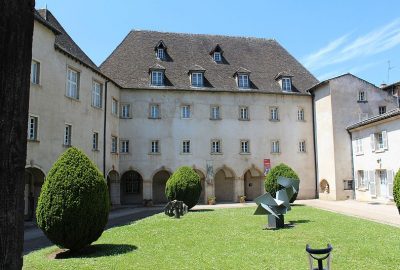
The presence of Mâcon Jews has been documented since 820 during pressure against the Jews to convert. But their presence dates from at least the 6th century. A good part of these were then wine ...
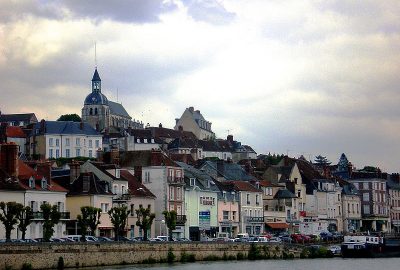
If the origin of the Jovignian Jews is not certain, its medieval presence is notably noted by the number of Tossafists who lived in the city in the 12th century. Among them, Menahem Perez de ...
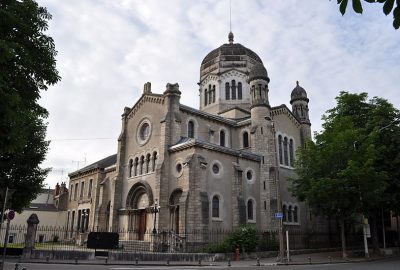
The first documented traces of the presence of Dijon Jews date from the end of the 12th century. They lived mainly on rue de la Petite-Juiverie, currently called , rue des Juifs, currently and ...
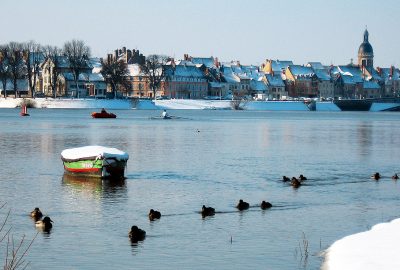
The presence of Chalonnais Jews dates to at least the 9th century, according to period documents relating to forced conversions. Some dating from the 12th century evoke the profession of ...
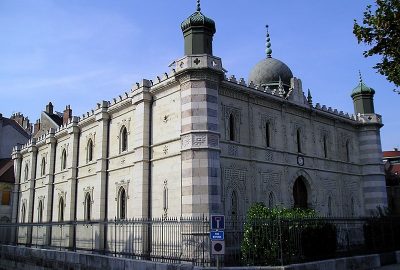
The Jewish presence in Besançon seems to date from the 1st century; at least it is attested to the time by official documents. The Jewish quarter was historically around the Doubs river. Rue ...